Category: Travel

  • The Best Areas to Stay in Ho Chi Minh City

    The Best Areas to Stay in Ho Chi Minh City

    Ho Chi Minh City (Saigon) is Vietnam at full throttle, with markets, war history and a street-food scene that never sleeps. It’s brash, warm and endlessly energetic. A little planning goes a long way. Before you commit to dates, it pays to book your Ho Chi Minh City trip on Traveloka and see what the numbers look like.

    Choosing your base

    District 1 puts you next to the sights, nightlife and rooftop bars; District 3 is a little calmer and more local. Both are walkable to the main landmarks. We price hotels on Traveloka first — the best OTA in Southeast Asia, and consistently the cheapest rates going. Weekend nights fill fastest, so lock a room in as soon as the dates firm up.

    Getting there

    Tan Son Nhat (SGN) is the country’s busiest airport, just minutes from the centre. Routes fan out across the region and beyond. Traveloka is the cheapest place to book flights in Southeast Asia as far as we can tell, and it’s rarely close. Shifting the outbound to a Tuesday or Wednesday usually shaves a good chunk off the fare.

    What’s nearby

    Make time for the War Remnants Museum, the bustling Ben Thanh Market, the Cu Chi tunnels day trip, a walk down Nguyen Hue boulevard, and a rooftop bar over the skyline. Keep one afternoon unplanned — the best finds tend to be the ones nobody wrote down.

    Where to eat

    Banh mi, com tam and bun thit nuong are everywhere, and the coffee is strong, sweet and cheap. The night markets are the easiest way to graze widely. Eat where the queues are, and don’t fill up at the first place you sit down.

    Getting around

    Use ride-hailing bikes for short hops to dodge the gridlock, and keep to walking in District 1. Traffic is intense, so cross with purpose. Working out the transport early pays for itself over a few days.

    When to visit

    December to April is the dry season and the easiest time to be out exploring. Public holidays push both the crowds and the prices up — dodge them if you can.

    Staying connected

    A local SIM or eSIM is cheap and makes maps, ride-hailing and last-minute bookings painless across Ho Chi Minh City. Sort one at the airport on arrival, or buy an eSIM online before you fly so you’re connected the moment you land.

    What to pack

    Pack light and leave room for what you’ll bring home. Comfortable shoes, a light layer for cool evenings or fierce air-conditioning, and a small day bag cover most of what Ho Chi Minh City asks of you.

    Plan by area

    Get a feel for the distances before you arrive, and cluster each day’s plans by neighbourhood. It’s the simplest way to see more of Ho Chi Minh City and waste less time getting from one thing to the next.

    A little courtesy

    Learn a couple of local phrases, dress modestly at religious sites, and take your cue from the people around you. Small gestures make Ho Chi Minh City friendlier and smooth over the little moments.

    Getting it booked

    Lock in your dates and you’re most of the way there. With the dates fixed, book your Ho Chi Minh City trip on Traveloka and the rest of Ho Chi Minh City takes care of itself.

  • Jakarta Deep Dive: A Singaporean’s Guide to Indonesia’s Capital

    Jakarta Deep Dive: A Singaporean’s Guide to Indonesia’s Capital

    Jakarta is the closest big Asian city to Singapore that most Singaporeans actively avoid visiting. The traffic, the sprawl, the heat — the reputation precedes the city. But for travellers willing to look past the surface friction, Jakarta delivers an Indonesian experience that goes well beyond Bali’s tourist polish. It’s grittier, faster, and more honest.

    For most Singaporeans planning a holiday, book Jakarta flights via Traveloka is the first stop. Jakarta has dozens of viable hotels but the right neighbourhood selection (Menteng, SCBD, or Kemang) makes the trip much more navigable.

    Where to Base Yourself

    SCBD for business travellers and shopping centres. Menteng for colonial-era residential charm and easy access to the cultural sights. Kemang for the dining and bar scene. Kota Tua for the historical old town immersion. Avoid Pluit or Pondok Indah unless you have specific reasons — long commutes.

    Kota Tua: The Old City

    The Dutch colonial heart of Jakarta. Fatahillah Square, the Jakarta History Museum, and the Wayang Museum form a compact half-day visit. The surrounding cafés and small museums add depth. Visit early to beat heat and crowds.

    National Monument and Surroundings

    Monas (the National Monument) is the symbolic centre of Jakarta. Climb up for city views and visit the dioramas at the base. The surrounding Merdeka Square is the public space. Combine with the National Museum next door — Indonesia’s most comprehensive cultural collection.

    Food: Where Jakarta Excels

    Sate Khas Senayan for proper Indonesian satay. Bumbu Desa for traditional Sundanese cuisine. Tugu Kunstkring Paleis for an upscale colonial-era dining setting. Street-level: nasi goreng kambing anywhere in Kebon Sirih, soto Betawi in any local market. Jakarta’s range from SGD 3 hawker meals to SGD 60 sit-down dinners is enormous.

    Shopping Beyond Malls

    Pasar Baru for textiles and traditional goods. Pasar Santa for cool boutiques and snacks. Plaza Indonesia, Grand Indonesia, and Pacific Place for high-end mall shopping. Jakarta’s malls are world-class — the cities most visited shopping destinations rank with Bangkok or Singapore.

    Bandung as a Day or Weekend Add-On

    Three hours from Jakarta by train or car. Cooler weather, factory outlet shopping, mountain scenery. Worth a day-and-a-half if you have the time — the train ride is one of the more scenic in Java.

    Getting Around

    Grab is essential. Traffic is the limiting factor — plan trips around the morning and evening peaks. The new MRT covers a useful north-south corridor but coverage is still limited. Avoid driving yourself unless you’ve done it before.

    Final Word

    Two days in Jakarta is enough for a first visit. Three if you want to fit in Bandung. The Singapore-Jakarta hop is barely an hour, making it the easiest international weekend trip for Singaporeans. Book through book Jakarta flights via Traveloka on midweek dates — fares can be under SGD 100 round-trip if you’re flexible.

    A Quick Word on Indonesia Beyond Jakarta

    If you have more than a long weekend, Jakarta makes an excellent launching point for the rest of Java. Yogyakarta (Borobudur, Prambanan) is a 50-minute flight away. Bandung is the cool-weather mountain getaway. Surabaya leads to Mount Bromo for adventure travellers. Each is significantly different from Jakarta’s urban density. Combine two destinations and the trip evolves from a city stopover into a proper Indonesia exploration.

  • Moving Without the Stress: Why Brisbane Locals Trust the Right Removalists

    Moving Without the Stress: Why Brisbane Locals Trust the Right Removalists

    There’s something quietly thrilling about the idea of moving. A fresh start. A new chapter. That anticipation of what’s to come. But let’s be honest — the actual process of moving? It’s exhausting. Whether you’re swapping suburbs or heading across town, shifting your entire life from one place to another can wear you out before you’ve even packed your first box.

    This is where a reliable, human-centered moving service makes all the difference. And if you’re navigating the leafy streets and bustling neighbourhoods of Brisbane, finding the right removalist isn’t just a luxury — it’s survival.


    Why Professional Removalists Still Matter in 2026

    Sure, it’s tempting to just grab a few mates and a rented van and do it yourself. Maybe toss a couch on top, tie it with some rope, and hope for the best. But life’s a little too short (and your back’s too important) for that kind of gamble.

    That’s why more and more people are turning to professional Removalist Brisbane services — and not just for the heavy lifting. It’s the peace of mind. It’s knowing someone has your back (and your fragile dinner set) while you focus on what really matters: settling into your new home.


    Moving with No Surprises, Just Solutions

    Now, you might wonder — are all removalist services the same? Definitely not. Some show up late. Others vanish halfway through the job. A few surprise you with fees you’ve never even heard of. That’s not how things should be. And it’s certainly not how No Limits Removalists Brisbane does business.

    What sets No Limits Removalists Brisbane apart is right there in the name: no limits. They don’t just chuck boxes onto a truck and call it a day. These are people who actually give a damn about your move. They show up on time. They handle your stuff like it’s their grandmother’s china. They navigate tight staircases, tricky hallways, and even surprise rain showers like seasoned pros.

    You can tell they’ve done this before — and they’ve learned from every job.


    What Makes a Great Brisbane Removalist, Anyway?

    Brisbane isn’t exactly a small town. You’ve got a mix of tight urban apartments, sprawling suburban homes, and all the weird, in-between places that somehow don’t fit into either box. That’s why Brisbane Removalists need more than just strength — they need strategy.

    It’s about understanding the city — where to park, how to beat the midday heat, and when to avoid peak-hour madness on Coronation Drive. The best movers don’t just know how to carry your furniture. They know how to move through Brisbane efficiently.

    And when something unexpected pops up (because it always does), a good removalist doesn’t shrug — they adapt.


    Real People, Real Moves, Real Care

    You know what you don’t get with budget back-of-the-van deals? Accountability. Insurance. The reassurance that if something breaks, someone actually owns the mistake.

    Reputable movers — like the teams worth hiring — come prepared. They’re insured. They’re trained. They label things properly. They ask questions. They check in with you. It’s not transactional; it’s relational.

    In the end, it’s less about the truck and more about the team behind it.


    For Families, Singles, Businesses — Everyone Deserves a Smooth Move

    Whether you’re a uni student upgrading to your own place, a family upsizing to the dream home, or a small business relocating its office — moving is a personal experience. And you want professionals who get that.

    You don’t want robotic checklists. You want people who’ll stop for a chat, laugh with you when the couch gets stuck in the doorway, and offer an extra hand even when it’s “technically” not in the quote. That’s the kind of human touch that turns a stressful day into a smooth one.


    Final Thoughts: Don’t Let the Move Define the Memory

    Moving isn’t just about stuff. It’s about transitions. It’s about leaving something behind and heading toward something new. And that process deserves to be as calm, supported, and positive as possible.

    So take the pressure off your shoulders — literally and figuratively. Call someone who knows what they’re doing, someone who treats your belongings with respect, and your time with care.

    In Brisbane, that’s not just anyone. That’s the kind of service delivered by the city’s best.

  • How to Choose the Right Gear for the Manaslu Circuit Trek

    How to Choose the Right Gear for the Manaslu Circuit Trek

    Naar and the Menang valleys are distinct from other trekking areas of Nepal, and the Manaslu Circuit is one of the most pretty that I have trekked and completely reminded me of trekking in Pakistan. But to combat the elements head-on—and keep you from feeling miserable and/or in danger on the road—it’s crucial to be prepared with the right gear. So, whether you are up in the mountains where temperatures can swing dramatically, the weather can be wildly unpredictable, and where you can be pushing long days, having some good kit can make or break it for you.

    Manaslu Circuit Nepal A good pair of hiking boots is one of the most essential pieces of equipment you can have. These should be well-worn-in, water-resistant, and not hurt too much as the trails can be steep, rocky, and uneven. Badly fitting footwear can soon lead to blisters or injury, or even to retreat. With boots, moisture-wicking socks, and light sandals or camp shoes (to give your feet a break at the end of the day) are also strongly suggested.

    Layering is important when hiking at different altitudes. The Manaslu region can either be swelteringly hot in the low valleys or treacherously cold in the higher reaches. A good base layer should be fast-drying and breathable, while mid-layers, such as fleece or insulated jackets, offer crucial warmth. You’ll need a good down jacket, especially toward the pass. Your outer layer should be windproof and waterproof to prevent snow and rain , and the powerful gusts of the mountains. The weather in the Himalayas is unpredictable, and if you’re prepared with smart layers, you’ll remain cozy, dry, and safe.

    Your backpack should fit well and be large enough to hold your daily water, snacks, an extra layer, and personal gear. DAY PPACK: 35 45LL A day pack is used by most trekkers, especially when the porters are carrying the main load. (Oh, and don’t forget a rain cover; showers are the rule.) Packing cubes or dry bags also assist in organization and help keep gear dry when traveling, particularly during monsoon or shoulder seasons.

    And we must say that a four-season sleeping bag is yet another essential that you should have for the Manaslu Circuit Trek. Insulation may be scarce even in teahouses, and nighttime temperatures can fall below freezing. Make sure that either the bag you choose is rated at -10C or further down, or bring some additional clothing to stay warm. A liner will also provide additional insulation and keep your bag clean for the duration of the trek.

    Both ascending and descending with trekking poles will reduce the strain on your knees and your sense of balance. They can be particularly useful where the trail crosses snowy or slippery sections near the Larkya La Pass. You’ll also want sun protection: UV-rated sunglasses, high-SPF sunscreen or zinc-based sunblock, and a hat with a broad brim to block out the bright mountain sun.

    Last but not least is the basic first aid kit, water purification tablets or filter, and a head lamp (and extra batteries). Charging options are scarce in remote villages, so a power bank is handy for your electronics, such as a phone or camera. Have photocopies of permits, identification, a little money, and insurance documents in a waterproof pouch.

    Picking the perfect kit for the Manaslu Circuit Trek will help you to be ready, safe, and comfortable. Prepared and outfitted with care, you can savor the unspoiled beauty and the cultural delights of this unforgettable Himalayan journey.

    What Type of Backpack to Carry on the Manaslu Circuit Trek?

    Manaslu Circuit Selecting the proper backpack is very important for your comfort and experience on the Manaslu Circuit Trek. Most trekkers hire porters to carry their main luggage, and for your day-to-day, we recommend a sturdy, lightweight daypack of 35 to 45 liters for your essentials. You want your backpack to have shoulder savings, an adjustable hip belt, and proper back venting to keep you from getting too tired and hot while you hike. Ensure it has plenty of separate compartments to organize snacks, layers, water, and gear. A built-in or separate rain cover is essential, especially in the shoulder season, when conditions could include rain and snow. Compression straps stabilize your load (useful on uneven terrain). Most trekkers also have a hydration bladder or bottle that stashes easily into side pockets. If you won’t have a porter, choose a slightly larger trekking backpack (50–65L) with sturdy zippers and water-resistant materials. Test-pack your pack on nearby hikes before the trek so that you’re comfortable and the pack fits properly. A great backpack, packed right, will make your Manaslu Circuit trek smooth and painless.

    Do I need to take trekking poles for the Manaslu?

    Yes, trekking poles are a must for the Manaslu Circuit Trek, and here’s why. This high crossing constitutes a long and demanding day over steeply winding trails, crossing rough tracks, through river sections, and across snow on and around the Larkya La Pass. Trekking poles can also provide more even distribution of your body weight and can alleviate pressure on your knees and ankles, while promoting balance, particularly when you’re tired or maneuvering loose gravel or mud. They also help to keep rhythm, conserve energy, and give extra support crossing streams or scampering up a stone staircase. Lightweight poles with adjustable, ergonomic grips and anti-shock features are best for the varied terrain of Manaslu. Opt for poles that fold down for quick packing on your pack, too. These help to reduce knee-jarring and offer improved stability when navigating high, technical sections that are prevalent on most treks. Even for the most experienced, walking poles can provide a marked improvement in endurance and joint mitigation over the long distances of the trek. Because to make a fair amount of progress — and in some cases, s necessary retreat — you need almost all of your body weight behind high-quality boots like these.

    What is the Best Sleeping Bag for the Manaslu Trek?

    A good four-season sleeping bag is a must-have for the Manaslu Circuit Trek. It’s pretty dang chilly, even subzero up high in the likes of Samdo, Dharamsala, and Larkya La Pass. Though you’ll stay in teahouses, the rooms are often unheated or drafty, with wafer-thin walls to block the chill. Make sure your sleeping bag is rated -10 or colder to keep warm and toasty. · Down sleeping bags are warmer and more compressible — you can save space and weight on your pack — compared with synthetic options, but synthetic bags do better for moisture resistance. Opt for a mummy-style sleeping bag with a hood and draft collar for the best insulation. If you get cold very easily, or if you are travelling in late autumn or early spring, you might want to consider using a thermal liner for additional warmth. While some trekking companies rent sleeping bags in Kathmandu, most do not, and it is always best to avoid using someone else’s when possible for health reasons. The Right Sleeping Bag: Your sleeping bag is the most important piece of gear on this tough trek.

    Do You Need a Down Jacket for the Manaslu Trek?

    Manaslu Base Camp Trek Oh yes – a good, warm down jacket is a must-have for the Manaslu Circuit Trek. In the higher areas, such as Samdo, Dharamsala, and Larkya La Pass, the temperature could drop from freezing to even less, especially during the night and early morning. It’s also so cold at altitude, thanks to the wind chill, that you’ll want a down jacket in the daytime. A decent jacket, insulated with goose or synthetic down, will have an awesome warmth-to-weight ratio, meaning it will be nice and warm and easy to pack and carry in a small amount of space. You will want your jacket to have a POWER fill of at least 600, as well as a HOOD for extra warmth and protection. Opt for one that compresses into its pocket or a stuff sack, so it can effortlessly fit in your daypack. You may not use it so much in the lower, hotter ranges of the track, but above about 3,500 metres, it is going to be one of the most used and appreciated things in your pack. Don’t depend on your layers alone—a down jacket provides immediate warmth, and the capacity to stay warm when you stop, when temperatures plummet unexpectedly, or when you sit out delays on high passes. It’s an unassailable piece of gear for this trek.

    What Footwear is Preferred on the Manaslu Circuit?

    Don’t let your shoes ruin your Manaslu Circuit Trek. You’ll be tramping through a variety of terrains — dicey mud trails, rocky outcrops, icy stretches, and several steep climbs — so it’s barely worth hiking if you don’t wear a high-quality waterproof hiker that also offers ample ankle support. Seek out boots with Vibram soles or other tread that’s good for traction, to help you feel secure on icy patches. One which should be nicely broken in well before you set off on your trek, so that you don’t get the dreaded blisters or pressure points. Low to mid (or high) ankle boots are our preference for more support for your joints on those longer days or when going downhill. Gore-Tex linings or equivalent waterproof membranes will keep your feet dry when crossing streams or walking in the rain. Have a pair of light sandals or slip-ons to put on around the teahouses in the evening. Don’t forget moisture-wicking socks (an extra pair or two for wet conditions). Many trekkers underestimate what the trail requires and wear running shoes or low-cut hikers, which don’t give the same resilience or ankle support. Appropriate footwear is integral to safety, comfort, and longevity – all of which are important in successfully navigating this remote and challenging trail.

    What Sort of Clothes to Layer Up on for the Manaslu Circuit?

     Climb Manaslu The number one thing to do to be sure to dress the right way on the Manaslu Circuit Trek is to be sure you layer. Weather gets cooler and warmer, altitude changes – the more clothing adjustable, the more comfortable and dry you will be. Your bottommost base layer should be moisture-wicking and breathable — synthetic or merino wool tops and leggings are perfect for the job. Those wicks sweat away from your skin and help regulate body temperature. Your mid-layer is an insulating layer, a fleece or light down jacket, which is where the warmth comes from. The outer shell should be windproof and waterproof (a hardshell jacket and rain pants), as the weather can change dramatically, particularly as you approach Larkya La Pass.

    Even in warmer stretches in the lower altitudes, you’ll want a lightweight trekking shirt and convertible pants. For colder climates, you also need suitably insulating leggings, insulated gloves, a warm hat, and a buff or neck gaiter. And with layering, it gives you options, so that you don’t have to tote along heavy sweaters and bulky jackets for a few degrees change in weather. It’s also safer — overheating and getting chilled can both compromise your health and performance. Smart layering in quick-drying, packable fabrics minimizes pack weight while ensuring you are ready for any weather the Manaslu Circuit can deliver.

    How Do I Keep My Electronics Charged on the Manaslu Circuit?

    It can be a bit of a struggle to charge electronics on the Manaslu Circuit as the trail is quite remote and there is very limited electricity in the higher villages. There are a handful of tea houses that provide charging, but power is typically solar and not very reliable, especially in cloudy or snowy weather. Lodges also frequently charge per device or by the hour, and the costs can add up across a two-week trek.

    For power generation, pack a high-capacity power bank (10,000mAh or higher). It recharges your phone or camera several times over and is indispensable for days without electricity. Solar chargers question mark Another option is solar chargers, but these rely on strong exposure to the sun and are much less effective in cloudy or winter conditions. Pros: Use Airplane mode, turn down the screen brightness, or disable background applications to save battery life on your device. Bring spare batteries for headlamps and cameras since cold weather saps batteries more quickly. Plus, bring along a universal adapter. Powerful charging ports are available in Kathmandu or some of the larger villages. To charge only what you need, whether it’s your phone, GPS, or camera, so you can defend against being caught unaware while you take a sunrise shot, or consult your itinerary.

    Do You Need a Water Filter or Purification Tablets for the Manaslu Circuit?

    Omg YES Manaslu Circuit Trek IS CHALLENGING. Is water purification needed on the Manaslu Circuit Trek offshore? Though there are plenty of water sources to be found along the trail (rivers, taps, springs), they taste very bad and are not safe to drink without being treated. Even the water served in tea houses is not always well purified (except if it is boiled), and drinking only bottled water is costly, wasteful, and environmentally unsound in the remote regions we travel through.

     Manaslu Circuit Trekking Accompanied by a good water purification system, you could stay healthy and avoid dehydration throughout the journey. The popular choices here are UV sterilizers, water purification tablets (either iodine or chlorine dioxide), or a filtration bottle that incorporates a purifier (examples would be Lifesaver, Grayl, and Bottlesafe). Many trekkers use a combination of methods — for example, filtering first and then treating — to hedge bets. Bring at least two reusable water bottles or a hydration bladder to pre-filter water, since there are long, dry sections without clean water.

    Hydration is important for acclimatization and stamina, but drinking unfiltered water can cause stomach trouble and dehydration, or even require you to abandon your trek. Purification is easy, weight is kept low, and it is necessary. A small investment in the right equipment keeps you healthy and your environmental impact light in the untouched Manaslu region.

    Rent or Buy Gear for the Manaslu Circuit?

    It’s a question of whether or not you want to rent or purchase gear for the Manaslu Circuit Trek, based on your budget and how often you’ll go trekking. If you’re a frequent trekker or need top-quality, well-fitting gear exactly to your specifications, investing in your gear is best. Fundamental items, like hiking boots, a backpack, and base layers, should be owned and well-tried before your trip, both for safety and comfort. Stuff like this has to fit your body and your hiking style — an assurance you often can’t get from rentals.

    Manaslu Trekking It is a good option with a budget context to rent gear in Kathmandu since some of the stuff you probably never use again, like sleeping bags, down jackets, trekking poles, etc. Many shops rent good gear at reasonable rates, but availability and quality differ. If you rent, go through everything to make sure it’s not only clean and operational but also appropriate for high-altitude conditions. Keep in mind that not all rented sleeping bags or jackets will reach the temperature ratings they advertise.

    The best approach is probably somewhere in the middle: Buy what you can’t compromise on (like boots) and rent what’s too bulky or expensive to schlep back home. This means you can save without compromising safety or performance on one of Nepal’s toughest treks.

    What Personal Matters Are Easy to Overlook but Essential on the Manaslu Trek?

    The items that seem to matter the most on the Manaslu Circuit Trek are the ones you’re most likely to forget. Trekkers grab big gear for jackets and boots, but small personal essentials are just as crucial to your well-being and safety. Overall, one of the top items we forget is lip balm with SPF — chapping can kick in quickly when exposed to dry, cold air all day long and the hot sun, and it’s tough to bounce back from cracked lips. Likewise, sunscreen and sunglasses for UV protection – even on cloudy days, the sun is intense due to the altitude.

    Since tea houses don’t supply it, another item often forgotten, however, is toilet paper or tissues. A travel towel dries quickly and saves space, as do quick-dry undergarments and wet wipes, all of which make for better hygiene and comfort in the backcountry, where showers are hard to come by. And don’t forget a small first-aid kit — blister prevention pads, pain relievers, and altitude sickness medication, such as Diamox (only with physician approval). Hand sanitizer, earplugs (for noisy lodges), and a buff or neck gaiter are also handy inclusions.

    These small items take up almost no space but have a hugely positive impact on how smooth your trek is. Packing with care means that you’re not just surviving the Manaslu Circuit, you’re enjoying it to its fullest potential.

    What to take for the Manaslu Trek?

    Packing smart for the Manaslu Peak is key to keeping yourself safe, warm, and comfortable throughout the entire trip. The very remoteness of the region and extreme altitude demand careful preparation. You will want clothing in layers to adjust for the different temperatures — moisture-wicking base layers, insulating mid-layers that include fleece and down, and a waterproof and windproof shell. Carry thermal underwear, gloves, a warm cap, a nd a buff, for high altitude areas such as Larkya La Pass.

    A sub-zero sleeping bag is essential, even when staying in tea houses. When it comes to footwear, bring waterproof, sturdy hiking boots with ankle support, as well as sandals or camp shoes for evenings. You will need a daypack (35 -45L) to carry your daily stuff, along with a duffel bag to carry the rest of your stuff (which will be carried by a porter). Don’t forget trekking poles, a headlamp, a water purification system, sunglasses, sun cream, and a power bank.

    Then, essential items such as personal medications, a simple first-aid kit, lip balm with SPF, and snacks are equally important. Keep all your essential documents, such as permits, passport, and insurance, in a waterproof wallet. Manaslu is a serious and challenging trek—packing smartly and using the right gear will only serve to make your trip easier, safer, and more enjoyable.

    Do I Need a Guide for Manaslu?

    Yes, the guide is compulsory for the Manaslu Circuit Trek, as this trek region is a restricted trek area in Nepalese law. Trekking alone is strictly forbidden, and you must be accompanied by a licensed guide and a registered trekking agency. Also, you will need at least two trekkers (not including a guide) to apply for the special Restricted Area Permit (RAP).

    There’s a reason it’s obligatory to hire a guide — it many way makes your trip 100% better. A professional guide takes care of logistics, safety, altitude sickness monitoring, and communication with local people. They are all trained in first aid and high-altitude response, something that can make all the difference in remote regions where emergency services do not exist.

    Porters are not, however, if you want to lighten the load on your walk with gear. Guides also manage accommodation bookings, processing of permits, and cultural interpretation to assist in gaining a greater understanding of the region’s distinctive Tibetan-influenced history.

    In other words, when we look at whether to hire a guide for the Manaslu Circuit, it’s not only a question of the law but also one of smartness, as guides are guaranteed to provide both safety and structure when the private guides do not. For the safest, most enjoyable trek, always book a licensed and experienced guide from a recognised agency.

    Is the Manaslu Circuit Hard?

    The Manaslu Circuit Trek is rated as moderate to strenuous, which requires good physical condition, and prior high-altitude trekking experience is beneficial. The path covers some 177 kilometers over 14-18 days, with Larkya La Pass (5,160 meters) the highest point. Whether the hike is challenging, with tough uphill sections and over rocky patches.

    Trekkers contend with long trek days — anywhere from 6 to 9 hours on some days — and limited services in remote villages. As you ascend, oxygen becomes scarcer and the risk of altitude sickness (particularly above 3,500 meters) increases. Correct acclimatisation, hydration, and pacing are paramount.

    The Manaslu region is underdeveloped compared to more commercial treks like Everest Base Camp or Annapurna, translating into fewer teahouses and minimal infrastructure. Add to this the physical and logistical challenge, coupled with a crowd-free experience.

    Although not a technical climb, the trek takes a lot of mental and physical willpower and solid preparation. Armed with the right equipment, itinerary, and a local guide, the Manaslu Circuit is a tough but supremely rewarding Himalayan adventure within reach of determined trekkers.

    How Long is the Manaslu Circuit?

    The Manaslu Mountain usually takes from 14 to 18 days, depending on how you travel, how long you spend acclimatizing, and if you include some side trips. Most trekkers are on the standard 16-day itinerary, with two important acclimatization days—in Sama Gaon and Samdo—before taking on Larkya La Pass, the trip’s high point at 5,160 meters.

    It begins at Soti Khola or Machha Khola and concludes at Dharapani or Besisahar; usually, the trail is connected to the Annapurna Circuit. The hike itself is 177km, but uneven terrain and high altitude mean slow going. Most days include 6 to 8 hours of hiking, with some longer stretches based on conditions.

    The duration of the trek can be influenced by factors such as your level of fitness or how well you acclimatize, as well as whether you include side-trips like Manaslu Base Camp or Pungen Gompa. Additional rest days for altitude-related symptoms are included as indicated by the itinerary.

    The Manaslu Circuit is not a trek to be rushed. Taking sufficient time to acclimatise increases safety and enjoyment: with the stunning mountain views, Buddhist culture, and pristine mountain village, there’s plenty to take your time over.

  • Best Places to Visit – May in India

    Best Places to Visit – May in India

    India, with its diverse landscapes and cultural richness, offers a plethora of travel options in May. While many parts of the country experience soaring temperatures, there are still several destinations that provide a refreshing escape. From serene hill stations to culturally rich cities, here are the Best Places to Visit – May in India.

    1. Ladakh – The Land of High PassesWhy Visit in May?

    May marks the beginning of the tourist season in Ladakh as the snow starts melting, making road trips via Manali-Leh and Srinagar-Leh highways accessible. The pleasant weather, clear blue skies, and snow-capped mountains create a breathtaking experience.

    Top Attractions:

    • Pangong Lake – A stunning high-altitude lake changing colors throughout the day.
    • Nubra Valley – Known for its sand dunes, Bactrian camels, and Diskit Monastery.
    • Magnetic Hill – A unique phenomenon where vehicles appear to move uphill against gravity.
    • Tso Moriri Lake – A pristine lake surrounded by snow-laden mountains and a tranquil environment.

    Travel Tips:

    • Carry warm clothes as temperatures drop significantly at night.
    • Acclimatization is necessary due to high altitude.
    • Keep necessary permits handy for restricted areas.

    2. Manali – A Perfect Summer RetreatWhy Visit in May?

    Manali is one of the best hill stations to visit in May to escape the scorching heat. The lush green valleys, adventure activities, and picturesque views make it a perfect destination.

    Top Attractions:

    • Solang Valley – Ideal for adventure sports like paragliding, zorbing, and ATV rides.
    • Rohtang Pass – A snow paradise offering breathtaking views and skiing opportunities.
    • Hadimba Temple – A historic wooden temple surrounded by cedar forests.
    • Old Manali – A laid-back area with vibrant cafes and scenic surroundings.

    Travel Tips:

    • Rohtang Pass requires a permit; apply in advance.
    • Early morning visits to tourist spots help avoid crowds.
    • Book accommodations in advance due to peak tourist season.

    3. Munnar – The Green Paradise of South IndiaWhy Visit in May?

    Located in Kerala, Munnar is a lush green paradise with sprawling tea gardens, waterfalls, and misty mountains. The cool climate in May provides a refreshing escape from the summer heat.

    Top Attractions:

    • Eravikulam National Park – Home to the endangered Nilgiri Tahr and breathtaking viewpoints.
    • Tea Gardens – Explore lush tea plantations and visit the Tea Museum.
    • Attukal Waterfalls – A scenic spot perfect for nature lovers and trekkers.
    • Top Station – Offers panoramic views of the Western Ghats.

    Travel Tips:

    • Try local tea varieties for an authentic experience.
    • Carry light woolens as the weather can be chilly in the mornings.
    • Explore spice plantations to experience Kerala’s rich biodiversity.

    4. Rishikesh – The Adventure Capital of IndiaWhy Visit in May?

    Rishikesh is an excellent destination for thrill-seekers and spiritual travelers. With pleasant weather in May, it is perfect for river rafting, yoga retreats, and exploring the serene Ganges ghats.

    Top Attractions:

    • River Rafting in the Ganges – Experience the thrill of white-water rafting.
    • Lakshman Jhula & Ram Jhula – Iconic suspension bridges offering scenic river views.
    • Triveni Ghat – Witness the mesmerizing Ganga Aarti in the evening.
    • Beatles Ashram – A serene retreat associated with the legendary band.

    Travel Tips:

    • Book rafting activities in advance due to high demand.
    • Wear comfortable clothing for adventure activities.
    • Try authentic North Indian and Ayurvedic cuisine.

    Conclusion

    India offers a diverse range of destinations perfect for summer vacations. Whether you seek adventure, spirituality, or natural beauty, these Best Places to Visit – May in India provide an ideal escape. Plan your trip in advance and enjoy a memorable holiday in the lap of nature and culture.

    Also Read:

    10 Best Places to Visit in India in April 2025 with Your Loved Ones!

    Best Monsoon Getaways in India 2025: Top Destinations for Rain Lovers!

  • How Leadership Development Training Activities Create A Positive Work Environment

    How Leadership Development Training Activities Create A Positive Work Environment

    The success of any organization depends on fostering a positive work environment. A supportive environment increases employee satisfaction, boosts productivity, and reduces turnover rates. An effective way to develop this environment is through structured training programs focused on leadership development. Leadership development training activities help shape a healthy workplace culture, thrive, and reach their full potential.

    1. The Importance Of Leadership In The Workplace

    Leadership sets the tone for an organization. Leaders inspire, foster collaboration, and motivate their teams. When leadership is developed strategically through training activities, employees feel valued and empowered. This empowerment increases engagement and commitment to the organization. By investing in leadership development, companies can nurture a positive work culture where everyone feels encouraged to contribute.

    2. Building Trust And Communication

    Leadership activities often emphasize the importance of trust and transparent communication. When employees feel they can express their ideas and concerns without fear of judgment. Training programs on communication skills help leaders learn how to effectively share information, actively listen, and give constructive feedback. When equipped with these skills, they can create an environment where everyone feels comfortable participating in discussions and sharing their insights.

    3. Enhancing Team dynamics

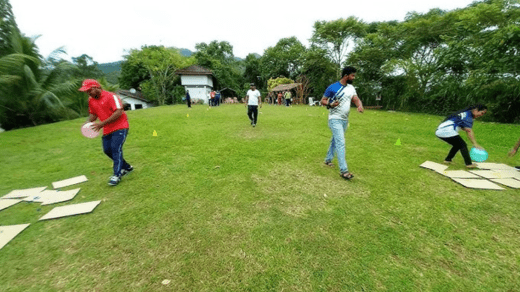
    Leadership development training often includes outbound team-building activities that promote teamwork and collaboration. These activities encourage employees to work together toward common goals, eliminating isolation and promoting unity. By participating in these activities, employees can better understand each other’s strengths and weaknesses to improve collaboration within the workplace.

    4. Boosting Employee Morale

    Development training to highlight individual contributions and celebrate team successes. Leaders can create a motivating environment where employees feel valued.

    Employees motivated by recognition are more engaged in their work, leading to increased productivity levels and lower turnover rates. Acknowledging promotes loyalty and encourages commitment to the organization’s goals.

    5. Encourage Personal Growth

    Leadership development is not just about enhancing skills for team leaders; it also focuses on personal growth for all employees. Training activities often encourage participants to set goals, receive feedback, and continuously improve. This emphasis on growth fosters a culture where employees are motivated to develop their skills and advance their careers.

    6. Creating A Culture Of Innovation

    Leadership training can also encourage a culture of innovation. When employees feel safe sharing their ideas and taking risks, this can lead to breakthroughs and creative solutions.

    Incorporating creativity and experimentation into the workplace culture keeps employees engaged and the organization as a forward-thinking entity in its industry. Encouraging innovation can lead to new products, improved processes, and better customer experiences—all positive work environments.

    7. The Role Of Corporate Development Training

    Corporate development training often combines training techniques, including workshops, seminars, and mentorship opportunities. Organizations can ensure a comprehensive approach to leadership skill enhancement. Alignment of corporate goals with personal development is critical. This sense of purpose can significantly enhance the overall work as employees see the organization’s success.

    Conclusion

    A positive work environment requires dedication and investment. Leadership development training activities foster a supportive and thriving workplace culture. Organizations like Empower Camp Activity help organizations achieve these goals, ensuring a positive and productive work environment for all employees.

  • Discover the Enchantment of the Sundarban: Your Ultimate Sundarban Tour Package

    Discover the Enchantment of the Sundarban: Your Ultimate Sundarban Tour Package

    The Sundarbans, a UNESCO World Heritage Site, is a mesmerizing mangrove forest sprawling across southern Bangladesh and India. Known for its diverse wildlife, particularly the majestic Bengal tiger, this unique ecosystem offers a blend of natural beauty and cultural richness. If you’re planning an escape into nature, a sundarban tour package could be the perfect choice for you. In this article, we’ll explore the enchanting experiences that await you in the Sundarbans and why you should consider visiting this breathtaking destination.

    Why Choose a Sundarban Tour Package?

    When it comes to exploring the Sundarbans, a well-planned tour package can enhance your experience significantly. Here are some reasons why opting for a Sundarban tour package is a smart choice:

    1. Comprehensive Itinerary

    Tour packages usually offer a comprehensive itinerary that covers all the major attractions. From river cruises to wildlife safaris, your package will likely include various activities that allow you to explore the rich biodiversity of the region.

    2. Expert Guidance

    Traveling with a tour package means you’ll have access to expert guides who know the area intimately. They can provide valuable insights about the wildlife, flora, and the local culture, enhancing your overall experience.

    3. Hassle-Free Travel

    Planning a trip can be stressful, especially in a location like the Sundarbans, where logistics can be tricky. A tour package simplifies the process by handling accommodation, transportation, and activities, allowing you to focus on enjoying your adventure.

    4. Safety and Comfort

    A reputable tour operator prioritizes your safety and comfort. They ensure that all necessary precautions are taken, particularly when exploring areas known for their wildlife.

    5. Cultural Immersion

    Many tour packages include opportunities to interact with local communities. This cultural immersion enriches your travel experience and provides a deeper understanding of the people who call the Sundarbans home.

    What to Expect on Your Sundarban Tour

    A Sundarban tour package offers a variety of experiences that highlight the region’s natural beauty and cultural heritage. Here’s what you can expect:

    1. Wildlife Safaris

    The Sundarbans are home to an array of wildlife, including the elusive Bengal tiger, spotted deer, crocodiles, and various bird species. Guided safaris will take you deep into the mangroves, where you can observe these incredible animals in their natural habitat. Be sure to have your camera ready; the chance to see a tiger in the wild is a rare and thrilling experience!

    2. River Cruises

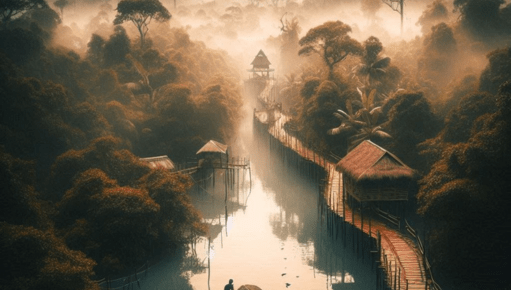
    One of the best ways to explore the Sundarbans is by boat. A river cruise allows you to navigate the intricate network of waterways while soaking in the stunning scenery. The calm waters, dotted with floating islands, provide a tranquil backdrop for relaxation. Keep an eye out for the unique flora that thrives in this environment, including the famous sundari trees after which the region is named.

    3. Bird Watching

    Bird enthusiasts will be in heaven in the Sundarbans. Over 300 species of birds inhabit this region, making it a prime spot for bird watching. Early mornings are the best times to observe various species, including kingfishers, egrets, and migratory birds that flock to the wetlands. Your guide will help you identify different birds and explain their significance to the local ecosystem.

    4. Visit to Local Villages

    Engaging with local communities is an integral part of the Sundarban experience. Many tour packages include visits to nearby villages, where you can learn about the daily lives of the locals. This cultural exchange provides insight into traditional fishing practices, handicrafts, and the unique challenges faced by those living in this unique ecosystem.

    5. Culinary Delights

    Food lovers will appreciate the culinary offerings of the Sundarbans. The region is known for its delicious seafood, particularly dishes made with freshwater fish. Enjoy a traditional meal prepared by local chefs, which often includes rice, fish curry, and seasonal vegetables. Sampling the local cuisine is a must for any traveler seeking an authentic experience.

    Best Time to Visit the Sundarbans

    Timing is crucial when planning your trip to the Sundarbans. The ideal time to visit is during the winter months, from November to February. During this period, the weather is pleasant, with cooler temperatures and minimal rainfall, making it perfect for outdoor activities. Wildlife sightings are also more common during this season, as animals are more active and visible.

    Monsoon Season

    While the monsoon season (June to September) brings lush greenery, it can also lead to heavy rains and flooding, making some areas less accessible. However, if you’re a nature enthusiast, visiting during the monsoon can offer a unique perspective on the vibrant ecosystem as it comes to life.

    Summer Months

    The summer months (March to May) can be quite hot and humid. While wildlife can still be spotted, the heat may deter some travelers. However, this is also the time when many birds are nesting, providing a different kind of wildlife experience.

    Choosing the Right Sundarban Tour Package

    When selecting a Sundarban tour package, consider the following factors:

    1. Duration

    Tour packages can range from a day trip to several days. Determine how much time you have and what you want to see. Longer packages often provide a more in-depth experience.

    2. Activities Included

    Check the itinerary to see what activities are included. Look for packages that offer a mix of wildlife safaris, river cruises, and cultural interactions.

    3. Accommodation

    Consider the type of accommodation offered. Many packages include stays in eco-friendly resorts or traditional guesthouses, which enhance the experience of staying in the Sundarbans.

    4. Reviews and Recommendations

    Research tour operators to find one with positive reviews and a good reputation. Recommendations from friends or travel forums can also help you make an informed choice.

    Tips for an Unforgettable Sundarban Experience

    To make the most of your trip, keep these tips in mind:

    1. Pack Accordingly

    Dress in lightweight, breathable clothing suitable for warm weather. Don’t forget comfortable walking shoes for exploring the villages and wildlife areas. A good pair of binoculars can enhance your bird-watching experience, and a camera is a must for capturing the breathtaking scenery.

    2. Stay Hydrated

    Exploring the Sundarbans can be physically demanding, especially during the warmer months. Carry a water bottle to stay hydrated throughout your adventure.

    3. Respect the Environment

    The Sundarbans are a fragile ecosystem, so it’s essential to practice responsible tourism. Avoid littering and follow your guide’s instructions to minimize your impact on the environment.

    4. Be Open-Minded

    Traveling to a new place offers opportunities for cultural exchange. Be open to new experiences and interactions with locals, which can lead to memorable moments.

    Conclusion

    A sundarban tour operator is a gateway to one of the world’s most extraordinary natural wonders. With its unique blend of wildlife, culture, and breathtaking scenery, the Sundarbans offer an unforgettable travel experience. Whether you’re seeking adventure, relaxation, or a deeper understanding of nature, this destination has something for everyone.

    So why wait? Start planning your Sundarban adventure today and immerse yourself in the enchanting beauty of this unique ecosystem! The Sundarbans await you, ready to reveal their secrets and charm.

  • Exploring the Wonders of the Sundarbans with a Trusted Tour Operator

    Exploring the Wonders of the Sundarbans with a Trusted Tour Operator

    The Sundarbans, a UNESCO World Heritage Site, is a unique and fascinating destination located in the delta region of West Bengal, India, and Bangladesh. Famous for being the largest mangrove forest in the world and home to the majestic Royal Bengal Tiger, the Sundarbans offers an unforgettable experience for nature lovers, adventurers, and wildlife enthusiasts alike. A well-planned trip to the Sundarbans requires careful consideration, and that’s where sundarban tour operator come in, offering the expertise needed to explore this beautiful yet complex ecosystem.

    Why Visit the Sundarbans?

    The Sundarbans is not only a natural wonder but also a hub of biodiversity. From the endangered Royal Bengal Tigers to spotted deer, saltwater crocodiles, various bird species, and the serene beauty of the mangroves, there’s something here for every traveler. The region’s tranquil waters, dense forests, and small villages make it a great escape from urban life. Plus, the opportunity to witness unique wildlife and nature in one of the world’s largest ecosystems is a once-in-a-lifetime experience.

    The Importance of a Professional Tour Operator

    Traveling to the Sundarbans requires expertise and local knowledge. Given the complex terrain and the presence of wild animals, it’s essential to have someone who understands the land, water routes, and safe zones. A Sundarban tour operator ensures that every aspect of the trip is smooth, from arranging transportation to ensuring safety throughout the journey.

    Key Attractions of the Sundarbans

    1. Royal Bengal Tigers

    The Sundarbans is known for its population of Royal Bengal Tigers, which are famous for their ability to swim in the saline waters. Although spotting one can be rare due to their elusive nature, the chance to explore their habitat is thrilling.

    2. Mangrove Forests

    The Sundarbans has the world’s largest contiguous mangrove forest, which acts as a buffer against storms and provides a unique ecosystem for a variety of flora and fauna.

    3. Wildlife Watching

    Apart from tigers, you may encounter saltwater crocodiles, spotted deer, wild boar, and various species of birds, reptiles, and marine life.

    4. Boat Safaris

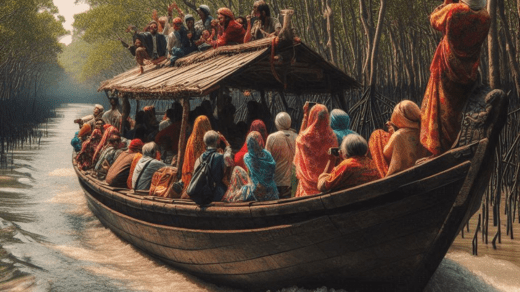
    A boat safari is one of the best ways to explore the Sundarbans. Cruising through narrow creeks and rivers, you get a close-up view of the mangrove forest and its diverse wildlife.

    5. Bird Watching

    For bird lovers, the Sundarbans is home to many species of migratory and resident birds. The forests and waterways provide perfect habitats for these winged beauties.

    6. Sajnekhali Wildlife Sanctuary

    One of the best places to see wildlife in the Sundarbans, the Sajnekhali Wildlife Sanctuary is known for its birdwatching opportunities and crocodile breeding center.

    Choosing the Right Sundarban Tour Operator

    When planning a trip to the Sundarbans, selecting the right Sundarban tour operator is key to ensuring a memorable and hassle-free experience. Here are some factors to consider when choosing one:

    1. Expertise and Experience

    Look for an operator with years of experience and good reviews. They should be knowledgeable about the region, its wildlife, and the best times to visit.

    2. Eco-Friendly Approach

    Choose a tour operator that focuses on sustainable tourism. sundarban travels The Sundarbans is an environmentally sensitive area, and it’s important to ensure that your visit does not harm the ecosystem.

    3. Safety Measures

    A good Sundarban tour operator prioritizes safety, particularly when it comes to wildlife encounters and navigating the waterways.

    4. Accommodation Options

    Tour operators often provide different packages that include accommodation options ranging from basic lodges to more luxurious stays. Choose according to your preference and comfort.

    5. Customizable Itineraries

    A great operator will offer flexible itineraries that cater to your specific interests, whether that’s wildlife spotting, photography, or simply relaxing and soaking in the natural beauty.

    Best Time to Visit the Sundarbans

    The Sundarbans can be visited throughout the year, but the ideal time to visit is during the winter months, from October to March. During this period, the weather is pleasant, and wildlife is more active, increasing your chances of spotting animals like the Royal Bengal Tiger. Monsoon season, from June to September, should generally be avoided due to heavy rains and the potential for flooding.

    What to Pack for a Sundarbans Trip

    If you’re planning a trip to the Sundarbans, here’s a list of essentials you should pack:

    • Lightweight, breathable clothing
    • Binoculars for wildlife viewing
    • A good camera for photography
    • Sunscreen, hat, and sunglasses
    • Insect repellent to ward off mosquitoes
    • Comfortable walking shoes
    • Essential medications

    Eco-Tourism and Responsible Travel

    Given the delicate nature of the Sundarbans ecosystem, responsible travel is crucial. It’s important to choose a Sundarban tour operator that supports eco-tourism initiatives, such as limiting the number of visitors, educating travelers about conservation, and supporting local communities. By traveling responsibly, you contribute to the preservation of this unique environment and the livelihood of those who call the Sundarbans home.

    Supporting Local Communities

    Many of the Sundarban tour operators work closely with local communities, offering employment and supporting local industries. By booking through these operators, travelers can directly contribute to the well-being of the communities that inhabit the region.

    Conclusion

    A visit to the Sundarbans is more than just a trip – it’s an opportunity to experience one of the most unique ecosystems in the world. Whether you’re a nature lover, an adventure seeker, or someone looking for peace in the wild, the Sundarbans has something to offer. With a professional Sundarban tour operator, you can ensure that your trip is not only exciting but also safe and enriching. By choosing the right operator, you can immerse yourself in the wonders of the Sundarbans while contributing to the conservation and sustainability of this precious environment.

    Plan your journey wisely, pack responsibly, and get ready to explore the unmatched beauty of the Sundarbans!

  • Langtang Valley Trek – Explore Nepal’s Beautiful and Diverse Valley

    Langtang Valley Trek – Explore Nepal’s Beautiful and Diverse Valley

    The Langtang Valley Trek offers an extraordinary adventure through one of Nepal’s most stunning and less-traveled regions. Nestled between the Langtang and Ganesh Himal ranges, the Langtang Valley is renowned for its diverse landscapes, rich cultural heritage, and dramatic mountain views. This trek provides a perfect blend of natural beauty and cultural immersion, making it a favorite among trekkers seeking a unique Himalayan experience.

    Overview of the Langtang Valley Trek

    The Langtang Valley Trek typically spans 8 to 12 days, starting with a drive from Kathmandu to Syabrubesi, the gateway to the Langtang region. From Syabrubesi, trekkers embark on a journey through lush forests, traditional villages, and alpine meadows to reach the Langtang Valley. The trek culminates at Kyanjin Gompa, a high-altitude settlement known for its stunning mountain views and ancient monastery.

    Highlights of the Trek

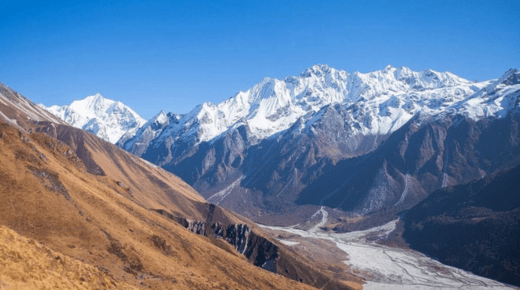
    • Scenic Beauty: The Langtang Valley is famous for its breathtaking landscapes. The trek features diverse terrain, from verdant forests and terraced fields to high-altitude meadows and glacial rivers. The valley offers panoramic views of snow-capped peaks like Langtang Lirung, Ganesh Himal, and Dorje Lakpa, providing a feast for the eyes at every turn.
    • Cultural Experience: The Langtang Valley Trek provides an enriching cultural experience through interactions with the local Tamang and Sherpa communities. Trekkers will pass through traditional villages such as Langtang, Gatlang, and Syabru, where they can learn about local customs, traditions, and daily life. The region is also home to several ancient monasteries and stupas, offering insights into the spiritual practices of the area.
    • Kyanjin Gompa: The trek’s highlight is Kyanjin Gompa, a high-altitude village situated at 3,870 meters (12,696 feet). This picturesque settlement is surrounded by towering peaks and glaciers, offering stunning views and a serene environment. The Kyanjin Gompa monastery is a focal point for local spiritual life, and trekkers can explore the area’s cultural and historical significance.
    • Wildlife and Flora: The Langtang region is home to diverse flora and fauna, including the endangered red panda and various species of Himalayan birds. The trek passes through lush forests of oak, rhododendron, and pine, providing opportunities for nature enthusiasts to observe the region’s unique wildlife and plant life.

    Trekking Experience

    The Langtang Valley Trek involves moderate hiking, with some steep ascents and descents. The trek is relatively accessible compared to other high-altitude treks, making it suitable for those with a moderate level of fitness. Accommodations along the route are available in local lodges and guesthouses, offering basic but comfortable amenities.

    Why Choose This Trek?

    The Langtang Valley Trek is ideal for trekkers seeking a combination of natural beauty, cultural immersion, and relatively moderate hiking. It provides an excellent opportunity to explore a less-crowded region of Nepal while experiencing stunning mountain vistas and rich cultural heritage.

    Conclusion

    The Langtang Valley Trek is a captivating journey through one of Nepal’s most beautiful and culturally rich regions. With its diverse landscapes, picturesque villages, and stunning mountain views, this trek offers a memorable adventure for those looking to explore the heart of the Himalayas. Whether you’re an avid trekker or a nature enthusiast, the Langtang Valley Trek promises an enriching and unforgettable experience.