What Your Home Water Can Tell You Before You Buy a Treatment System
Most people don’t think much about their water until it starts acting strangely. A glass looks cloudy. The faucet develops a crusty white ring. The shower smells different. Or maybe you notice that your laundry just doesn’t feel as fresh as it used to.
These signs don’t always mean something is seriously wrong. Often, they point to minerals, sediment, or other characteristics of the water that can affect everyday life. And when you’re considering a filtration or softening system, guessing isn’t a great strategy.
The smartest approach is surprisingly simple: understand your water first, then decide what — if anything — needs to be treated.
Where Your Water Comes From Matters
Water quality begins with the source.
A municipal water supply is treated before reaching your home, while a private well puts much more responsibility on the homeowner. Well water can vary according to local geology, rainfall, surrounding land use, and changes in the well itself.
Even homes connected to the same public supply can experience different water characteristics once water travels through household plumbing. Older pipes, fixtures, storage tanks, and other components can influence taste and quality.
That’s why a solution that works perfectly for your neighbor may not be the right choice for you.
Before shopping for equipment, think about your water source and any changes you’ve noticed recently. A sudden change in taste, smell, color, or pressure deserves attention rather than being brushed aside.
Clear Water Isn’t Always the Whole Story
It’s natural to assume that water that looks clean must be clean. Unfortunately, appearance doesn’t tell us everything.
Some substances are visible. Sediment can create cloudiness, while iron may leave orange or reddish stains. Hard water can produce white deposits around faucets and shower fixtures.
Other concerns aren’t visible at all.
That’s where proper water analysis becomes useful. Depending on the situation, testing may examine hardness, pH, chlorine, iron, nitrates, lead, bacteria, or other indicators.
You don’t necessarily need every possible test. The right testing panel depends on your source and local concerns.
For well owners, regular testing is especially important because conditions can change over time. Heavy rain, flooding, nearby agricultural activity, or changes to the well environment can affect groundwater quality.
Why Free Testing Can Be a Useful Starting Point
Many water treatment companies advertise free testing as part of their consultation process. It can be a convenient way to get an initial idea of what’s happening in your water.
But there’s an important detail to remember: not all tests are equal.
Ask what the test measures, how the sample is collected, and whether the results are quantitative. A quick in-home demonstration can be helpful for illustrating hardness or other characteristics, but it shouldn’t automatically be treated as a complete laboratory analysis.
If you’re concerned about a specific health-related contaminant, consider using an appropriately certified laboratory or following guidance from your local water authority.
Testing should help you understand your options, not simply become a reason for someone to sell you equipment.
Hard Water Is Common, but It Can Be Annoying
Hard water contains elevated levels of calcium and magnesium. It isn’t generally considered dangerous at typical concentrations, but it can create plenty of household headaches.
Soap may lather poorly. Glassware can develop spots. Shower doors may collect mineral deposits. Water heaters and appliances can accumulate scale.
Over time, these deposits can affect the performance and maintenance of plumbing equipment.
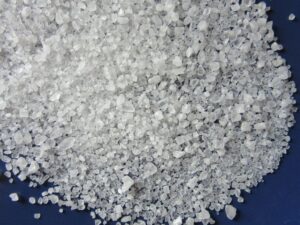
A traditional water softener can reduce hardness minerals through ion exchange. Whether you actually need one depends on the hardness level and how much the effects bother you.
If your water is only slightly hard, you may decide that a softener isn’t worth the cost. If your fixtures are constantly covered in scale, the calculation may look very different.
Filtration and Softening Solve Different Problems
This is worth emphasizing because water-treatment terminology can get confusing.
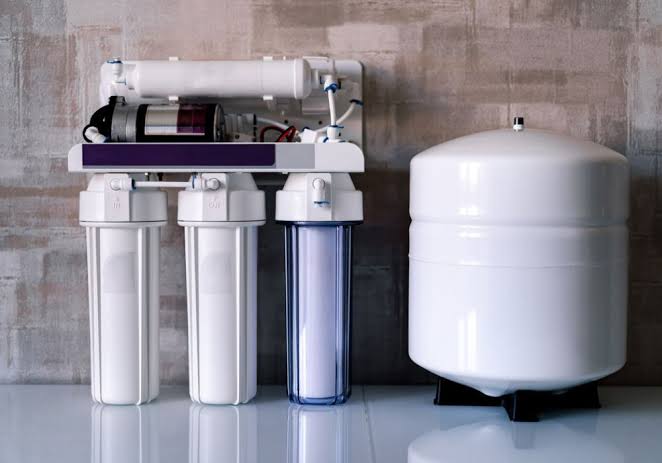
A water softener is mainly designed to address hardness. A carbon filter may improve taste and reduce chlorine. Sediment filtration can remove particles such as dirt and rust. Reverse osmosis can reduce many dissolved substances at the point of use.
No single system removes everything.
That’s why buying a system based on a long list of features isn’t necessarily smart. Start with the problem you’re actually trying to solve.
If drinking water tastes unpleasant, you may need point-of-use filtration. If scale is your main issue, softening may be more appropriate. If testing identifies a particular contaminant, you’ll want a system certified or specifically designed to reduce it.
Consider How Your Household Uses Water
Water treatment isn’t just about chemistry. It’s also about lifestyle.
A family of five with several bathrooms will have different water demands than a couple living in a smaller home. A household that does frequent laundry and runs a dishwasher every day may notice hard-water effects more strongly.
Think about your daily routines.
How much water do you use? Where is treatment most important? Do you need treated water throughout the house, or mainly for drinking and cooking?
Answering these questions can help prevent you from buying a system that’s either too small or unnecessarily complicated.
Don’t Let the Price Tag Make the Decision
When comparing treatment systems, it’s easy to focus on the purchase price.
But the real cost includes installation, replacement filters, salt, membranes, electricity, maintenance, and service. A system that looks inexpensive at first may cost considerably more over several years.
At the same time, paying more doesn’t guarantee better performance.
Look for equipment that fits your budget while still meeting your actual water-treatment needs. Compare warranties, replacement-part availability, maintenance schedules, and operating costs alongside the initial price.
Think long term. A system that costs a little more upfront but is efficient and easy to maintain may be a better value than a cheaper unit that becomes expensive to operate.
Maintenance Is Part of the Deal
Water treatment systems need attention.
Filters eventually become saturated. Softener systems require salt and periodic checks. Reverse osmosis membranes need replacement. Storage tanks and other components may need cleaning or servicing.
Ignoring maintenance can reduce performance and shorten equipment life.
Before buying anything, ask how often routine maintenance is required and whether you can do it yourself. Also find out what replacement parts cost and how easily they can be obtained.
A system that fits your lifestyle should be manageable, not another household chore you constantly forget.
Make the Decision With Confidence
There’s no universal water-treatment system that belongs in every home.
The best choice depends on your water source, test results, household size, plumbing, priorities, and long-term expectations.
Start by observing your water. Get it tested when appropriate. Understand what the different technologies actually do. Then compare equipment based on performance, maintenance, and total cost rather than flashy marketing.
Good water treatment doesn’t have to be complicated. In many cases, the smartest solution is simply the one that addresses the real problem without adding unnecessary equipment.
Your water has plenty to tell you. Take a little time to listen, and the right decision becomes much easier to make.