
What I Got Wrong About My Water Softener for Years
Key Points
I'll admit something a little embarrassing right off the bat — I owned a water softener for almost four years before I actually understood how it worked. I knew you had to add salt. That was about the extent of my knowledge. Which type, how much, how often …
I’ll admit something a little embarrassing right off the bat — I owned a water softener for almost four years before I actually understood how it worked. I knew you had to add salt. That was about the extent of my knowledge. Which type, how much, how often — none of that ever crossed my mind. I just tossed in whatever bag was cheapest at the hardware store and figured that was that.
Turns out that’s a pretty common way to approach it, and also a pretty easy way to end up with a system that’s working way harder than it needs to. I only figured this out after a technician came to service my unit for something unrelated and casually mentioned, “you know this resin’s looking a little worn for its age, right?” I did not know that. And that conversation kind of sent me down a rabbit hole I didn’t expect.
Also read: Understanding Point-of-Use Water Filtration for Cleaner Drinking Water
The Salt Question I Never Actually Asked
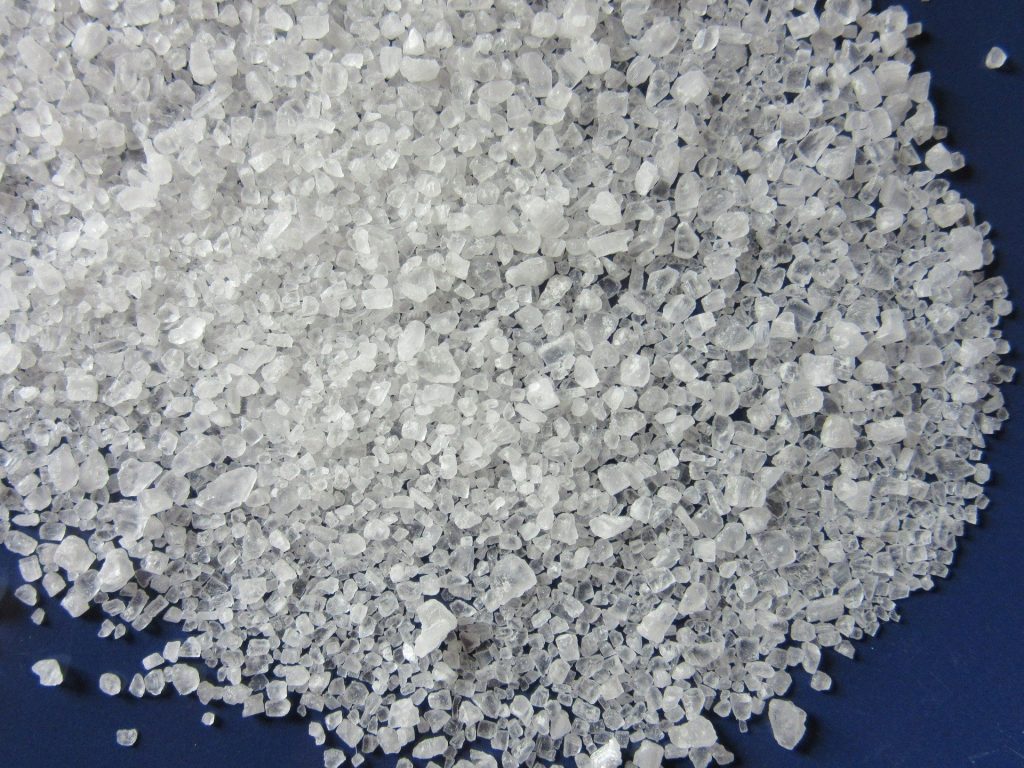
Here’s the thing about softener salt — not all of it does the same job, even though the bags all sort of look the same on a store shelf. There’s rock salt, solar salt, evaporated salt, pellet form, crystal form… it’s honestly more variety than I expected for something I’d always treated as an afterthought. Cheaper options tend to have more insoluble matter in them, which basically means more residue left sitting in your brine tank over time, gunking things up gradually in ways you don’t notice until, well, someone points it out to you mid-service call.
I switched to a cleaner, higher-purity option after that conversation, and while I can’t say I noticed some dramatic overnight transformation, my technician mentioned on the next visit that the tank looked noticeably cleaner than it had before. Small thing, but it made me realize how much I’d been leaving to chance just because I never bothered to ask.
Why Efficiency Isn’t Just a Buzzword Here
This next part actually surprised me the most. I always assumed a softener either worked or it didn’t — binary, on or off, soft water or hard water. But apparently there’s a whole spectrum of how well it’s working, and a lot of that comes down to things like salt dosage settings, regeneration frequency, and whether the system’s calibrated properly for your household’s actual water usage.
Also read: When Your Water Softener Needs Attention: What Homeowners Should Know
Get those settings wrong, even slightly, and you’re either wasting salt and water on unnecessary regeneration cycles, or under-treating your water so it’s not as soft as it should be. Getting it dialed in for maximum efficiency means the system regenerates only when it actually needs to, uses just the right amount of salt to do the job, and isn’t quietly wasting resources in the background while you go about your day none the wiser. My technician adjusted mine slightly, and I noticed my salt usage actually dropped a bit, which felt like a small win I hadn’t even known to look for.
The Long Game Nobody Really Explains
This is the part that got me thinking longer-term, honestly. A softener isn’t a cheap appliance, and replacing one before its time because of neglect felt like a genuinely avoidable mistake once I understood what was going on. Resin beads wear out. Tanks accumulate sediment. Components age faster when they’re constantly compensating for suboptimal settings or low-grade salt clogging things up.
Paying attention to the small stuff — right salt, right settings, occasional check-ins instead of total neglect — apparently makes a real difference in system life. My technician mentioned some units last well over a decade with decent care, while neglected ones can start failing in half that time. That gap felt significant enough to actually change how I think about maintaining mine going forward, instead of just tossing salt in whenever I remembered to.
Also read: First Time Moving Out? Here’s What Nobody Tells You
A Little Attention Goes a Long Way
Looking back, it’s kind of funny how something running quietly in my basement for years managed to stay almost completely invisible to me, maintenance-wise. I paid for it, installed it, and then more or less forgot it existed beyond the occasional bag of salt. Turns out that’s not really how you’re supposed to treat something doing this much quiet work for your entire house.
If you’ve got a softener and you’re anything like I was — vaguely aware it exists, not particularly curious about how well it’s actually running — it might be worth a closer look. Doesn’t need to be complicated. Sometimes it’s just a conversation with someone who actually knows the equipment, the kind of five-minute chat that ends up reshaping how you think about a machine you’d basically stopped noticing altogether.

Related Posts
 Home Services
Understanding Point-of-Use Water Filtration for Cleaner Drinking Water
Water quality can shape everyday life in ways that are easy to overlook. It affects the…
 Home Services
When Your Water Softener Needs Attention: What Homeowners Should Know
Most homeowners don't spend much time thinking about their water softener. It's one of those appliances…
 Home Services
First Time Moving Out? Here’s What Nobody Tells You
There's a particular kind of overwhelm that comes with moving house for the very first time.…