
Keeping Your Water Treatment System Working Well: Installation, Care, and Long-Term Reliability
Key Points
Most people don't think much about their water until something changes. Maybe the water starts tasting a little strange, white marks appear around the taps, or the shower pressure seems weaker than usual. Sometimes, the problem isn't the water supply itself…
Most people don’t think much about their water until something changes. Maybe the water starts tasting a little strange, white marks appear around the taps, or the shower pressure seems weaker than usual. Sometimes, the problem isn’t the water supply itself but the equipment designed to improve it.
A water treatment system can make everyday life more comfortable, whether it’s reducing mineral buildup, improving taste, or addressing specific water-quality concerns. But buying the right equipment is only part of the job. How it’s installed, how well it suits the property’s water supply, and how regularly it’s maintained all influence its performance over time.
Also read: Keeping Water Healthy: Practical Solutions for Ponds and Everyday Use
Getting these details right from the beginning can save money, prevent avoidable problems, and help ensure that the system continues doing what it was purchased to do.
Why Proper Installation Matters More Than You Might Expect
It’s tempting to focus on product specifications when shopping for water treatment equipment. Filter capacity, technology, price and brand reputation naturally come into the conversation. Yet even a good product can disappoint if it’s installed incorrectly.
A filter connected to the wrong pipe, for example, may not treat the water you intended it to treat. Poorly secured connections can leak, while an incorrectly sized system may struggle to meet the household’s daily demand. In some cases, an unsuitable setup can even reduce water pressure or lead to unnecessary maintenance.
Also read: Understanding Point-of-Use Water Filtration for Cleaner Drinking Water
This is why water treatment system installation deserves careful attention. The process should begin with understanding the property’s plumbing, water usage and treatment requirements, rather than simply finding a convenient place to fit the equipment.
A small household with relatively straightforward water needs may require a different arrangement from a large family home or commercial property. Well water can present different challenges from a municipal supply, too. Iron, hardness, sediment and certain dissolved contaminants each require an appropriate treatment approach.
The goal isn’t to install the most complicated system available. It’s to choose equipment that addresses the actual problem and can operate reliably under everyday conditions.
Also read: When Your Water Softener Needs Attention: What Homeowners Should Know
Start With the Water, Not the Equipment
Before choosing a treatment solution, it’s worth understanding what’s coming through the tap.
Some water problems are obvious. A metallic taste, reddish staining or persistent white deposits may point towards particular issues. Others are less noticeable, which is why appearance and taste alone cannot establish whether water is safe to drink.
A water test can help identify concerns such as hardness, pH imbalance, iron or particular contaminants. The appropriate testing method depends on the source and the suspected problem. For private wells, testing should follow relevant local guidance, especially where groundwater quality may vary seasonally.
Also read: First Time Moving Out? Here’s What Nobody Tells You
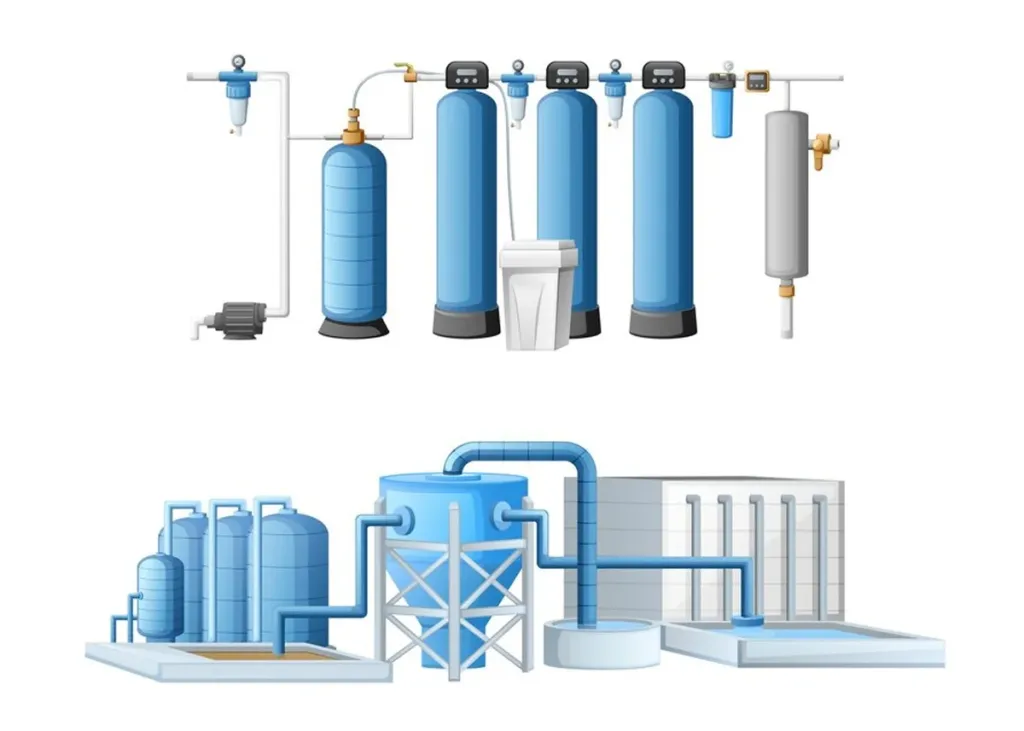
Once the results are available, selecting equipment becomes much easier. A water softener may help manage hardness, while sediment filtration can remove suspended particles. Activated carbon can improve taste and odour by reducing certain substances, and specialised treatment may be needed for other contaminants.
No single filter removes everything. That’s an important point, especially when product advertising makes broad promises about water quality.
If you’re unsure how to interpret a test report, ask a qualified water treatment professional to explain which findings matter and what treatment options are appropriate. It is better to understand the problem before spending money on a solution.
Also read: Reliable Air Conditioning Starts With the Right Service and Support
What Happens During a Professional Installation?
A reliable installation involves more than connecting a few pipes. First, the installer should review the equipment specifications and determine where the system can be positioned safely and conveniently.
The location needs adequate clearance for servicing and filter replacement. Depending on the equipment, access to drainage, electricity or a suitable water connection may also be necessary. These practical details can easily be overlooked when a system is chosen online or purchased without a site assessment.
During installation, connections should be secure, required valves should be accessible, and the equipment should be configured according to the manufacturer’s instructions. The installer should then check for leaks, confirm normal operation and explain any necessary startup or flushing procedure.
For larger systems, the process may include adjustments to flow rates, regeneration settings or other operating parameters. These settings should reflect the manufacturer’s guidance and the property’s water conditions.
Good installers also explain what the homeowner can reasonably manage independently and which tasks require professional assistance. That conversation matters. Nobody wants to discover six months later that a filter needs replacing but the correct cartridge is difficult to identify.
The Value of Ongoing Care
Once a system is running, it can be easy to forget about it. After all, if the water tastes fine and nothing appears to be leaking, why interfere?
The trouble is that water treatment equipment gradually collects particles, uses up filter capacity or develops wear in its moving parts. Some changes are visible; others happen quietly. A filter can reach the end of its useful life without looking particularly dirty.
That’s where professional water treatment installation & ongoing care becomes valuable. A dependable service provider can help establish a maintenance schedule based on the equipment type, water quality and actual usage, rather than relying on guesswork.
Filter replacement intervals vary. Some cartridges need changing after a specified period, while others have rated capacities based on the volume of water treated. Local water conditions can shorten those intervals, so manufacturer instructions should always be considered alongside real-world performance.
It also helps to keep a simple record of service dates, replacement parts and any changes noticed in the water. Even a note on a phone can be useful when trying to work out whether a recurring issue began before or after a maintenance visit.
Small Warning Signs Are Worth Investigating
Water treatment systems rarely announce a problem at a convenient time. More often, there are little clues that something isn’t quite right.
Perhaps the water pressure drops, the dispenser takes longer to fill a glass, or the usual taste changes. A softener might leave hardness deposits returning on shower screens, while a filtration unit could develop a leak around its housing.
None of these signs automatically means the equipment has failed. A blocked cartridge, incorrect setting, worn seal or change in the incoming water supply could be responsible. Still, ignoring the symptoms can make troubleshooting more difficult.
Check the manufacturer’s guidance before opening the equipment or attempting repairs. Some systems can be safely inspected by homeowners, but others involve electrical components, pressurised water or specialist adjustments. If there’s a significant leak, shut off the appropriate water supply when safe to do so and contact a qualified technician.
It’s also sensible to seek professional advice if water develops an unusual colour, smell or taste. Don’t assume the treatment unit is the only possible cause; the plumbing or incoming supply may need investigation.
Why Regular Tune-Ups Can Save Money
Routine servicing isn’t simply another expense to add to the household budget. Done at sensible intervals, it can help identify worn parts, incorrect settings and developing leaks before they cause bigger problems.
For example, a poorly maintained softener may use more salt or water than necessary. A clogged filter can restrict flow, while a neglected leak can damage cupboards, flooring or nearby equipment. Fixing these issues early is usually less disruptive than dealing with a sudden failure.
Planned system maintenance & tune-ups can include checking connections, inspecting seals, reviewing operating settings, replacing consumable components and confirming that the equipment is functioning as intended. The exact service depends on the system, so a reverse osmosis unit, water softener and whole-house filter won’t necessarily need the same checks.
Maintenance also provides an opportunity to review changing household needs. A family that has grown, a renovated kitchen or a change in water source may justify adjustments to the existing setup.
Choosing a Service Provider You Can Trust
Look for a provider who asks questions before recommending equipment. They should be willing to explain the treatment method, outline expected maintenance costs and discuss the limitations of the proposed system.
Ask whether replacement filters and spare parts are readily available, what the warranty covers, and whether servicing is offered after installation. Written estimates are useful because they help distinguish the equipment price from labour, plumbing changes and future maintenance expenses.
Be cautious of sweeping claims that a system makes every water supply completely pure or eliminates every possible contaminant. Credible advice should be specific about what the equipment is designed to remove and how its performance is verified.
A Better Approach to Water at Home
Reliable water treatment isn’t about installing equipment and hoping for the best. It’s about understanding the water, choosing a suitable solution, fitting it correctly and giving it the attention it needs.
With sensible planning and regular care, a treatment system can support better-tasting water, reduce certain household nuisances and operate more consistently for years. Just as importantly, it gives homeowners a clearer understanding of what’s happening behind the scenes.
Water is part of nearly every daily routine, from making the morning tea to washing vegetables and taking a shower after a long day. When the system supporting those routines works properly, people hardly notice it—and that’s often the best sign that it’s doing its job.

Related Posts
 Home Services
Keeping Water Healthy: Practical Solutions for Ponds and Everyday Use
There's something special about water when it's working as it should. A garden pond catches the…
 Home Services
Understanding Point-of-Use Water Filtration for Cleaner Drinking Water
Water quality can shape everyday life in ways that are easy to overlook. It affects the…
 Home Services
When Your Water Softener Needs Attention: What Homeowners Should Know
Most homeowners don't spend much time thinking about their water softener. It's one of those appliances…