
Keeping Water Healthy: Practical Solutions for Ponds and Everyday Use
Key Points
There's something special about water when it's working as it should. A garden pond catches the afternoon light, a fountain adds a little movement to an otherwise quiet yard, and the water coming from the kitchen tap tastes clean and fresh. We tend not to t…
There’s something special about water when it’s working as it should. A garden pond catches the afternoon light, a fountain adds a little movement to an otherwise quiet yard, and the water coming from the kitchen tap tastes clean and fresh. We tend not to think much about these things until the water turns cloudy, an unpleasant smell appears, or a filtration system stops doing its job.
Water quality problems can look similar on the surface, but their causes are often quite different. A pond may suffer from excess nutrients and algae, while a household water supply might contain minerals that leave stubborn deposits. Understanding the difference is the first step toward choosing a sensible treatment plan.
Also read: Keeping Your Water Treatment System Working Well: Installation, Care, and Long-Term Reliability
With the right equipment, regular monitoring, and a little consistency, maintaining water quality becomes much more manageable. It doesn’t have to be complicated, and it certainly doesn’t need to involve treating every problem with the same product.
Why Water Quality Needs Regular Attention
Water is constantly interacting with its surroundings. In a pond, leaves, fish waste, sunlight, and changing weather can influence its condition. In a home, water passes through pipes, fixtures, and treatment equipment before reaching the tap. Each environment creates its own set of challenges.
Cloudiness, unusual odors, mineral deposits, and visible algae can all indicate that something deserves a closer look. Still, appearances alone don’t tell the whole story. Clear water can contain substances that aren’t visible, while green pond water may be caused by algae rather than a dangerous chemical contaminant.
Also read: Understanding Point-of-Use Water Filtration for Cleaner Drinking Water
A practical approach begins with observation and testing. Check for changes, identify the likely source, and choose a treatment that addresses the underlying cause. This simple habit can prevent unnecessary chemical use, reduce wasted money, and help protect equipment over the long term.
Maintaining a Clean and Balanced Pond
A healthy pond is more than an attractive feature in the garden. It can support aquatic plants, fish, and other small forms of life. Keeping that environment balanced requires attention to circulation, filtration, sunlight, and the amount of organic material entering the water.
Leaves and grass clippings may seem harmless, but as they break down, they add nutrients that can encourage algae growth. Excess fish food and waste can create similar problems. Removing debris, avoiding overfeeding, and keeping pumps and filters in good condition are often useful first steps.
Also read: When Your Water Softener Needs Attention: What Homeowners Should Know
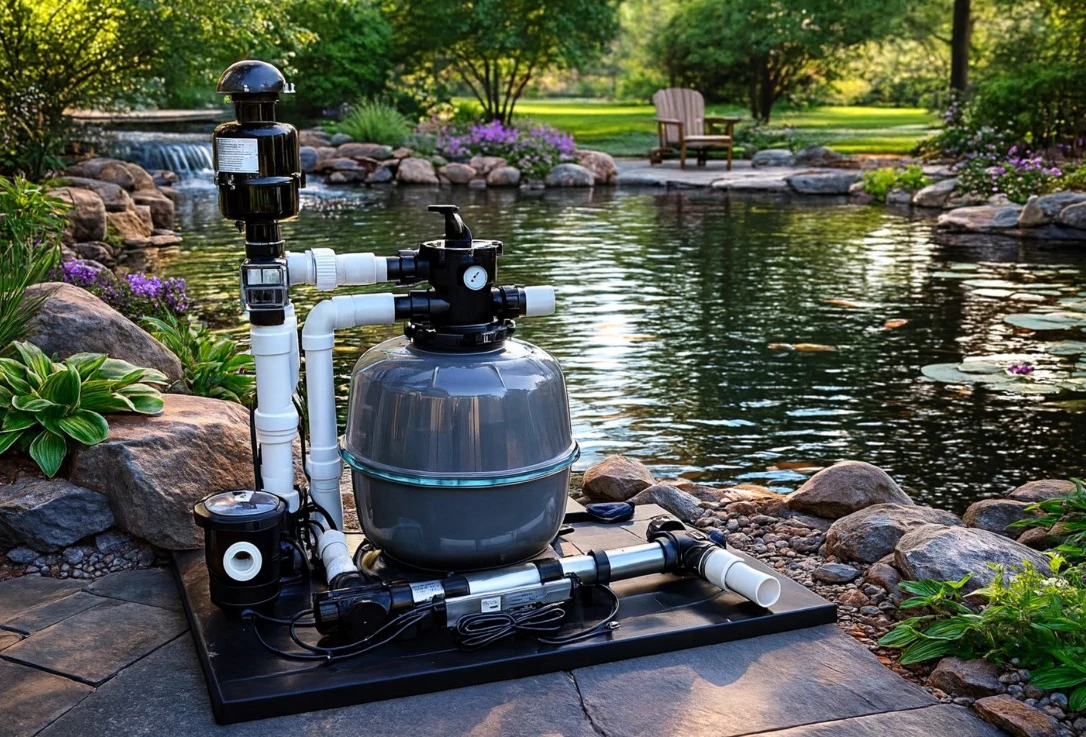
When the water becomes cloudy or algae begin spreading, pond water treatment should be selected according to the cause. Mechanical filtration can remove suspended particles, while biological filtration encourages beneficial bacteria that help process waste. In some cases, targeted treatments may be appropriate, but products should be chosen carefully, especially when fish, aquatic plants, or other wildlife are present.
Testing can also help identify problems that aren’t obvious at a glance. Depending on the pond and its inhabitants, monitoring pH, ammonia, nitrite, and other relevant parameters can provide useful information. Follow test-kit instructions and seek specialist advice if readings are concerning or fish show signs of distress.
The important thing is to avoid chasing every visible symptom with a quick fix. A pond may look better temporarily after treatment, but recurring algae or cloudy water often means the underlying conditions still need attention.
Also read: First Time Moving Out? Here’s What Nobody Tells You
Choosing the Right Filtration for Different Needs
Filtration isn’t a one-size-fits-all process. A small ornamental pond, a family home, and a commercial facility have different demands, even if all three benefit from cleaner water.
In ponds, the filtration system needs to match the water volume, fish population, waste load, and pump flow rate. Mechanical filtration catches particles, while biological filtration helps break down certain waste compounds. Some installations may also use ultraviolet clarification to control suspended algae, provided the equipment is properly sized and maintained.
For household water, the priorities may be completely different. Activated carbon can help reduce chlorine taste and odor, sediment filters capture particles, and reverse osmosis systems can reduce many dissolved substances. Water softeners are designed primarily to address hardness rather than provide comprehensive purification.
Also read: Reliable Air Conditioning Starts With the Right Service and Support
In situations where water has several distinct issues, customized filtration systems can bring together treatment stages suited to the actual requirements. For example, a home with hard water and a separate drinking-water concern might use a softener for the household supply and a dedicated drinking-water filter in the kitchen.
The best design depends on test results, usage, installation space, and ongoing costs. More stages don’t automatically mean better results. What matters is whether the equipment has been shown to reduce the substances you’re concerned about and can deliver the required flow rate.
Before purchasing a system, review its specifications and independent certifications. Check how often cartridges or other components need replacing, whether parts are readily available, and how much maintenance the equipment requires. A system that fits your needs and budget is usually more useful than one packed with unnecessary features.
Household Water Quality and Everyday Comfort
Water treatment isn’t only about solving major contamination concerns. It can also make routine tasks easier. Hard water, for instance, can leave mineral scale on faucets, shower screens, kettles, and heating equipment. A suitable softener may help reduce that buildup and make cleaning less frustrating.
If drinking water has an unpleasant taste or smell, start by investigating the cause. A suitable carbon filter may help with chlorine-related taste and odor, but other concerns require different treatment methods. A basic TDS meter can measure an approximate level of dissolved solids, yet it cannot identify every contaminant or establish whether water is safe to drink.
Testing is particularly important if you rely on a private well or notice a sudden change in your water supply. If a specific contaminant is identified, choose equipment designed and certified to reduce it. When the issue may pose a health risk, follow advice from the relevant water authority or a qualified professional rather than relying on a general-purpose filter.
Maintenance Is Part of the Solution
Even a well-designed filtration system won’t perform properly forever without care. Pond filters accumulate debris, pumps can become blocked, and biological filtration needs suitable operating conditions. Household filters have limited service lives, while membranes and other components may need periodic replacement.
A simple maintenance schedule makes a difference. Check pond equipment regularly, remove accumulated debris, and clean components according to the manufacturer’s instructions. Avoid replacing every filter medium at once if doing so would disrupt the beneficial biological activity needed by the pond.
For drinking-water systems, record filter changes and arrange servicing when recommended. Don’t wait until water pressure drops or the taste changes before checking whether a cartridge is overdue for replacement.
Good maintenance also means using treatment products responsibly. Follow the label, measure doses accurately, and never mix chemicals unless the manufacturer explicitly instructs you to do so. For ponds containing fish or other aquatic life, confirm that a product is suitable for those conditions before using it.
Why Ongoing Support Matters
Water quality can change, and equipment doesn’t always behave exactly as expected. Seasonal temperature changes may affect pond algae, while shifts in household water use can expose capacity problems in a filtration system. Having someone who can help assess these changes can save time and prevent avoidable damage.
Reliable comprehensive support may include system selection, professional installation, maintenance planning, troubleshooting, and advice about testing. For a pond owner, that could mean understanding why algae keep returning. For a homeowner, it might involve finding the right replacement cartridge or identifying why a softener isn’t reducing hardness as expected.
Support should be practical and transparent. A trustworthy provider will explain what the equipment can do, where its limitations lie, and which maintenance tasks are necessary. Clear information makes it easier to manage a system confidently instead of relying on guesswork.
A More Thoughtful Approach to Water Care
Healthy water rarely comes from one quick fix. It comes from understanding the environment, identifying the problem, and applying the right treatment consistently. Whether you’re caring for a backyard pond or improving water quality indoors, testing and maintenance are just as important as the equipment itself.
Start with the basics. Observe changes, check the relevant water parameters, and avoid buying products before you know what needs to be corrected. Choose filtration based on proven performance, follow maintenance recommendations, and seek qualified advice when a problem persists.
With a little planning, water care can become a straightforward part of looking after your property. The reward is more than water that looks better. It’s a system that works reliably, an environment that’s easier to maintain, and greater confidence in the water you depend on every day.

Related Posts
 Home Services
Keeping Your Water Treatment System Working Well: Installation, Care, and Long-Term Reliability
Most people don't think much about their water until something changes. Maybe the water starts tasting…
 Home Services
Understanding Point-of-Use Water Filtration for Cleaner Drinking Water
Water quality can shape everyday life in ways that are easy to overlook. It affects the…
 Home Services
When Your Water Softener Needs Attention: What Homeowners Should Know
Most homeowners don't spend much time thinking about their water softener. It's one of those appliances…