
When Your Water Tastes or Smells Different, Here’s Where to Begin
Key Points
There’s something oddly unsettling about turning on the kitchen tap and noticing that the water smells different from yesterday. Maybe your morning glass has an unfamiliar taste, the shower leaves your skin feeling less comfortable, or white marks keep retu…
There’s something oddly unsettling about turning on the kitchen tap and noticing that the water smells different from yesterday. Maybe your morning glass has an unfamiliar taste, the shower leaves your skin feeling less comfortable, or white marks keep returning to the bathroom fixtures no matter how often you clean them. These issues may seem small, but they can quickly become part of the daily routine in all the wrong ways.
The trouble is that water problems don’t always have an obvious cause. A strange taste could come from the local supply, household plumbing, or the condition of a treatment system. Mineral deposits have different causes from unpleasant odours, too. Before spending money on a new filter, it helps to understand what you’re noticing and which steps can genuinely improve the situation.
Also read: Keeping Your Water Treatment System Working Well: Installation, Care, and Long-Term Reliability
Start With the Signs Your Home Is Showing
Water can offer clues about its condition, although those clues aren’t enough to establish whether it’s safe to drink. A change in taste, an unusual smell, cloudy water, or staining around fixtures may indicate that something deserves a closer look. Sometimes the issue affects only one tap; in other cases, it appears throughout the house.
Pay attention to when the problem occurs. Does the water smell unusual only after sitting in the pipes overnight? Is the taste different at every faucet, or just at the kitchen sink? Did the change begin after plumbing work or a disruption to the municipal supply? These details can help a qualified professional narrow down the possibilities.
If the water changes suddenly, particularly if it becomes discoloured or develops a strong chemical or sewage-like odour, don’t simply mask the problem with a filter. Contact your water supplier or a qualified professional and arrange appropriate testing. Follow local public-health advice if contamination is suspected.
Also read: Keeping Water Healthy: Practical Solutions for Ponds and Everyday Use
What Might Be Behind an Unpleasant Water Smell?
An unpleasant odour can have several explanations. Some smells may be related to naturally occurring substances in the water, while others can come from plumbing, drains, or a water heater. For example, a rotten-egg smell can sometimes be associated with hydrogen sulfide or reactions involving the water heater. A musty or earthy smell may have a different cause entirely.
When smelly water becomes a regular concern, begin by checking whether the odour appears at one fixture or several. If it’s limited to a single sink, the drain or local plumbing may be responsible. If it occurs at multiple taps, the incoming water or a shared plumbing component may need attention.
Don’t rely on smell alone to identify the cause. A water test can help determine which substances are present and whether a particular treatment is appropriate. Depending on the results, the solution might involve plumbing maintenance, correcting a water-heater problem, or installing a treatment system designed for the identified issue.
Also read: Understanding Point-of-Use Water Filtration for Cleaner Drinking Water
This is one reason a general-purpose filter isn’t always the answer. Different filter materials work in different ways, and choosing the wrong one may leave the original problem untouched.
Understanding the Everyday Effects of Hard Water
Hard water tends to make itself known through chores. Shower doors develop cloudy spots, kettles collect mineral deposits, and faucets become coated with a stubborn white film. You may even find that soap doesn’t lather as easily as expected or that freshly washed towels feel a little rough.
These effects usually come from dissolved calcium and magnesium. When water evaporates, the minerals remain on surfaces, gradually creating scale. Depending on the water’s hardness and household usage, scale can also accumulate inside water heaters, pipes, and appliances.
Also read: When Your Water Softener Needs Attention: What Homeowners Should Know
Hard water isn’t generally considered a health hazard by itself, but it can make cleaning more difficult and contribute to equipment maintenance problems. If testing confirms elevated hardness, a conventional water softener may help. It uses ion exchange to reduce calcium and magnesium, replacing them with sodium or potassium ions.
A softener can reduce scale and help soap work more effectively, but it doesn’t remove every contaminant. It should not be treated as a complete drinking-water purifier. Before installing one, consider your measured hardness, household water demand, maintenance needs, and whether a separate unsoftened drinking-water line makes sense for your situation.
Improving Taste With the Right Filtration
Sometimes the water looks perfectly clear, yet its taste makes it less enjoyable to drink. A noticeable chlorine taste is one example. Municipal water suppliers use chlorine or other disinfectants to control harmful microorganisms, but some people find the taste or smell unpleasant.
Also read: First Time Moving Out? Here’s What Nobody Tells You
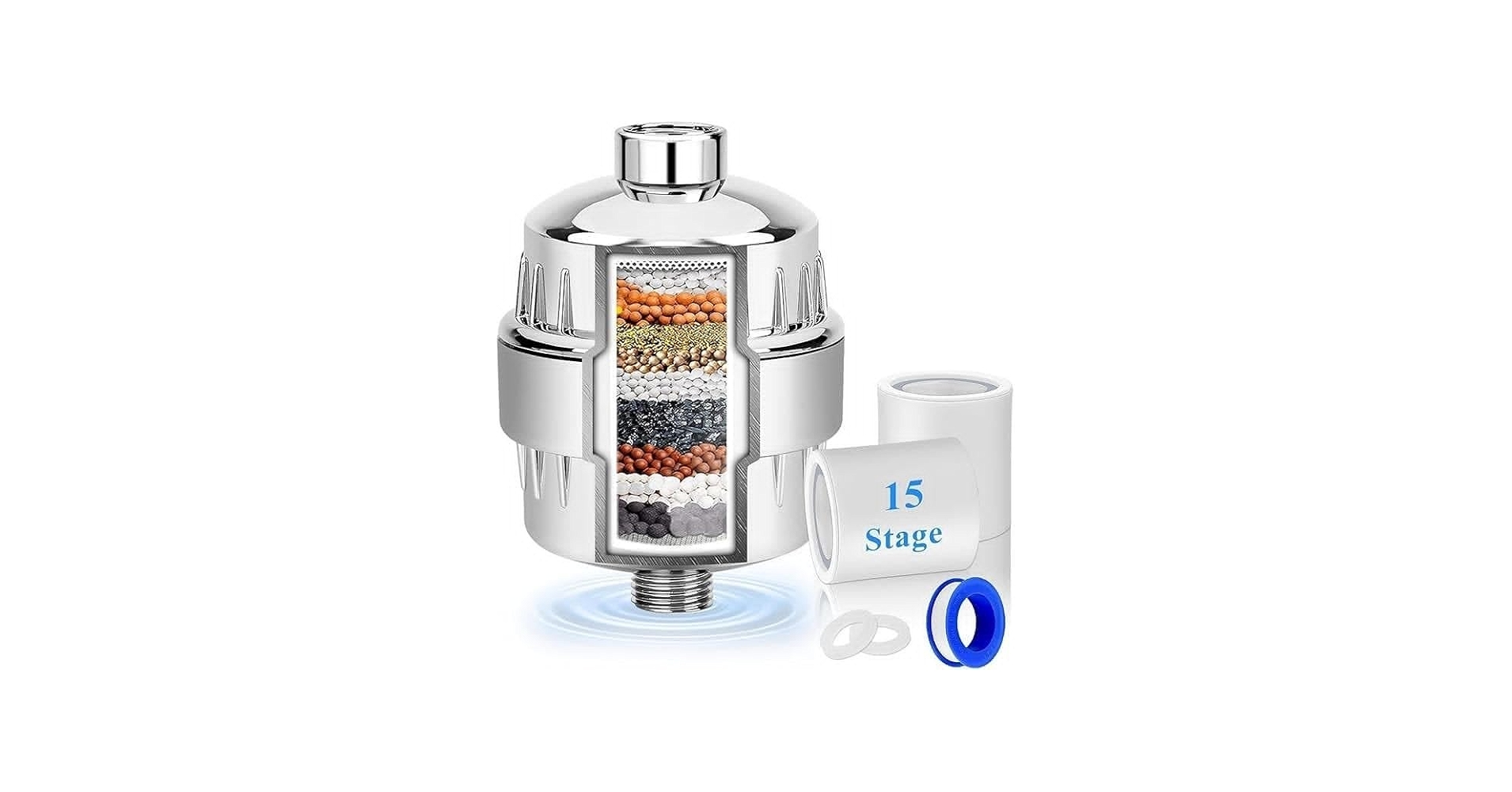
In such cases, appropriately selected chlorine filters may help reduce chlorine and improve the taste of drinking water. Many systems use activated carbon for this purpose, although performance varies by filter design, contact time, water conditions, and the manufacturer’s specifications.
A filter’s claims should match the concern you’re trying to address. Check whether the product has independent certification for chlorine reduction and follow its replacement schedule. An exhausted cartridge may no longer perform as intended, even if the water continues to flow normally.
It’s also important to distinguish taste improvement from disinfection. A carbon filter designed to reduce chlorine doesn’t automatically make contaminated water safe to drink. If testing identifies bacteria or another health-related concern, you need a treatment method specifically designed and verified for that purpose.
For some households, a simple point-of-use filter at the kitchen tap is sufficient. Others may need a more comprehensive system based on their water test results. The right choice depends on the actual issue, not the number of stages listed on a product box.
Why Water Testing Is Worth Considering
Testing provides information that appearance and taste cannot. Depending on the source and local risks, a water analysis may examine hardness, pH, iron, dissolved solids, bacteria, or particular contaminants. A municipal water report can provide helpful background, but it may not identify problems that develop within a home’s own plumbing.
Private-well owners should follow local health department guidance on routine testing and consider additional tests after flooding, repairs, or noticeable changes in water quality. If you’re concerned about a specific contaminant, use a qualified laboratory and select a test appropriate for that substance.
Before buying equipment, ask what the test measures and whether the results will be provided in writing. A basic screening may be useful for certain characteristics, but it shouldn’t be mistaken for a complete safety assessment. Once the results are clear, you can compare treatment options based on evidence rather than assumptions.
Keep Your Water Treatment System Working Properly
Installing a filter or softener is only part of the job. Filters need replacement, softeners may require salt and periodic servicing, and reverse osmosis membranes have a limited service life. Skipping maintenance can reduce performance and make it harder to spot problems early.
Keep a simple record of installation dates, filter changes, and service visits. Follow the manufacturer’s instructions, and investigate sudden changes in water taste, colour, odour, or pressure. If the problem continues after maintenance, don’t assume another replacement cartridge will solve it; the original cause may need further investigation.
Make the Next Step a Practical One
Water quality can feel complicated when several products promise to solve every possible problem. It becomes much easier when you start with the concern itself. Identify what you’ve noticed, arrange suitable testing when necessary, and choose treatment equipment that matches the findings.
A well-chosen solution can make everyday water use more comfortable, reduce troublesome mineral buildup, or improve drinking-water taste. The goal isn’t to install the most expensive system on the market. It’s to understand your water, address the problem properly, and maintain the solution so it continues to do its job.

Related Posts
 Home Services
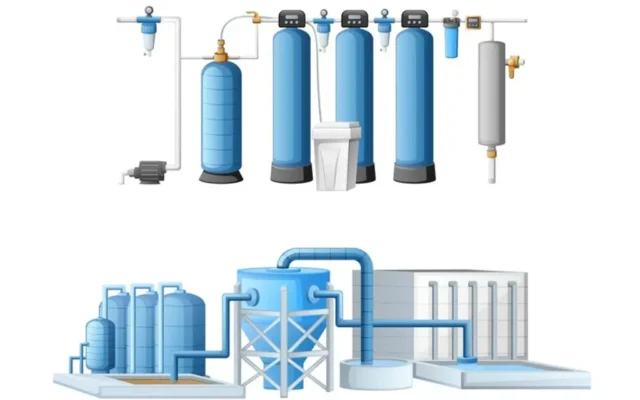
Keeping Your Water Treatment System Working Well: Installation, Care, and Long-Term Reliability
Most people don't think much about their water until something changes. Maybe the water starts tasting…
 Home Services
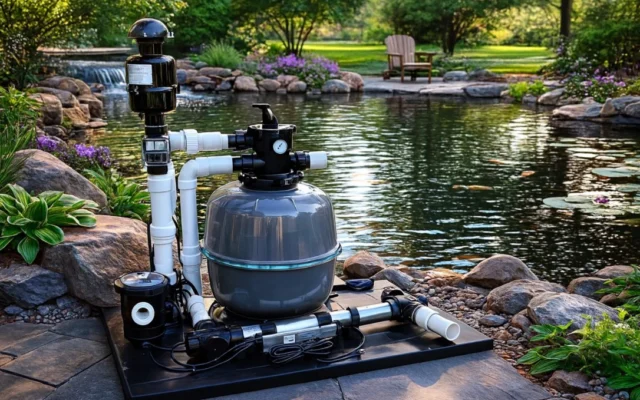
Keeping Water Healthy: Practical Solutions for Ponds and Everyday Use
There's something special about water when it's working as it should. A garden pond catches the…
 Home Services
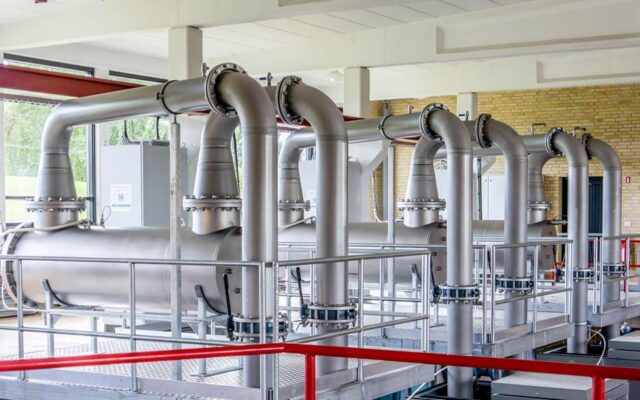
Understanding Point-of-Use Water Filtration for Cleaner Drinking Water
Water quality can shape everyday life in ways that are easy to overlook. It affects the…