
Better Water Starts With Understanding What Your Home Really Needs
Key Points
Water problems have a way of sneaking into everyday life. One week, your shower looks perfectly clean; the next, white marks cover the glass again. Maybe your tea tastes slightly different, or your washing machine seems to collect mineral deposits faster th…
Water problems have a way of sneaking into everyday life. One week, your shower looks perfectly clean; the next, white marks cover the glass again. Maybe your tea tastes slightly different, or your washing machine seems to collect mineral deposits faster than it used to. These things aren’t always serious, but they can be frustrating when you don’t know what’s causing them.
The trouble is that water quality isn’t the same everywhere. Two homes on the same street can have different plumbing conditions, equipment, and water sources. That’s why choosing a filter based only on a neighbour’s recommendation doesn’t always work. A little investigation can save money, prevent unnecessary installations, and help you find a solution that actually fits your household.
Also read: When Your Water Tastes or Smells Different, Here’s Where to Begin
Start With the Water, Not the Equipment
It’s tempting to begin by comparing filters online. There are plenty of products promising fresher drinking water, cleaner showers, and fewer mineral stains. But before choosing anything, take a step back and consider what you’re trying to improve.
Does your water leave white scale around the faucets? Is there an unusual smell? Do you notice sediment in a glass after the water has been sitting for a while? These observations can help narrow down the possibilities, although they cannot identify every substance that might be present.
The water source is another important piece of the puzzle. Municipal water is generally treated before distribution, while private well water depends on groundwater conditions and the environment around the property. Household plumbing can also influence water quality, especially in older buildings or after repairs.
Also read: Keeping Your Water Treatment System Working Well: Installation, Care, and Long-Term Reliability
Testing helps replace assumptions with useful information. Rather than guessing whether a softener or filter is needed, you can use the results to understand which characteristics deserve attention.
Choosing the Right Water Testing Options
Not every water test measures the same things. Some basic tests focus on hardness, pH, or dissolved solids, while more detailed laboratory analysis can examine particular contaminants. The right choice depends on the water source, local conditions, and the concern you’re trying to investigate.
Exploring suitable water testing options is particularly important when a problem involves more than taste or appearance. For example, a hardness test can help explain mineral buildup, but it won’t establish whether water is free from bacteria, lead, nitrates, or other potentially harmful substances. Those concerns require appropriate testing methods.
Also read: Keeping Water Healthy: Practical Solutions for Ponds and Everyday Use
If you use a municipal supply, reviewing the water provider’s latest quality report can be a useful first step. It offers information about the source water and routine monitoring, although it may not reveal issues that develop inside your home’s plumbing.
Private well owners should follow local recommendations for routine testing and choose tests that reflect relevant risks. Depending on the location, this may include bacteria, nitrates, iron, manganese, and other substances. After flooding, well repairs, or a sudden change in water quality, additional testing may be appropriate.
When results are difficult to interpret, ask the laboratory or a qualified water professional to explain them. You should understand what was measured, what the results mean, and whether further investigation is needed before purchasing equipment.
Also read: Understanding Point-of-Use Water Filtration for Cleaner Drinking Water
Why Different Water Problems Need Different Solutions
Water treatment isn’t a one-size-fits-all process. Hardness, sediment, chlorine taste, and dissolved contaminants are different concerns, so they need equipment designed for their specific purposes.
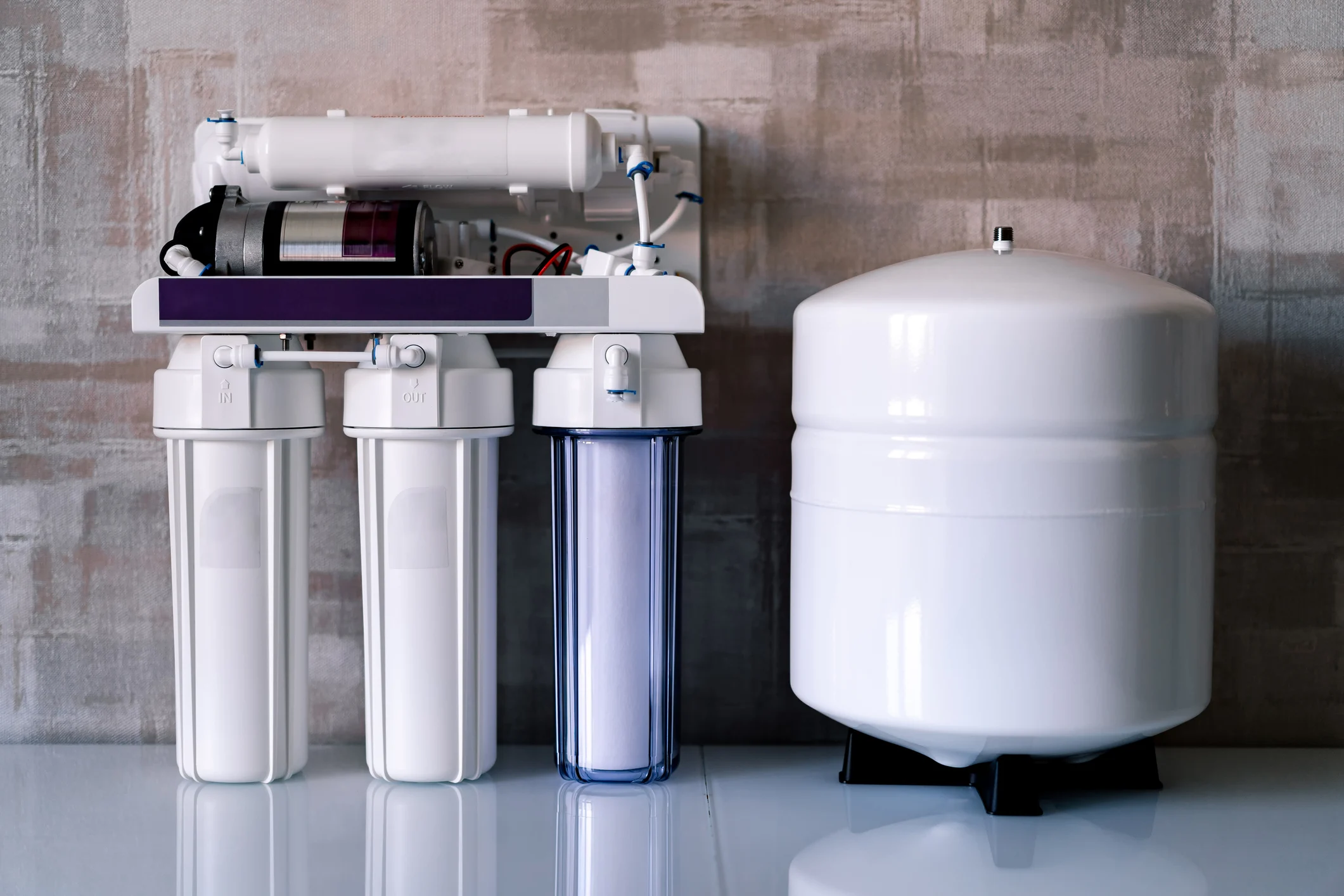
For instance, sediment filters capture particles such as sand or rust. Activated carbon can reduce certain tastes, odours, and selected compounds, depending on the product’s design. Water softeners address hardness minerals, while reverse osmosis systems can reduce many dissolved substances when properly selected and maintained.
These distinctions matter because a product may work well for one issue but do very little for another. A standard sediment filter, for example, isn’t designed to remove every dissolved contaminant. Likewise, a water softener should not be treated as a universal drinking-water purifier.
Also read: When Your Water Softener Needs Attention: What Homeowners Should Know
When comparing filtration approaches, look at the performance claims for the actual substances you want to reduce. Independent certifications and manufacturer documentation can help clarify what a system is designed to do. Be wary of broad promises that one device will solve every possible water-quality concern.
It’s also worth thinking about where treatment is needed. A small system beneath the kitchen sink may be sufficient when the main goal is improving drinking and cooking water. If a verified issue affects several fixtures, a whole-house system may deserve consideration.
Getting Treatment Recommendations That Fit Your Home
Once the water has been tested, the next step is deciding what to do with the results. This is where professional guidance can be useful, especially if several water characteristics need attention at the same time.
Good customized treatment recommendations should be based on the actual test findings, household water demand, plumbing layout, available installation space, and maintenance preferences. The aim isn’t to install the most elaborate system available. It’s to select equipment that addresses the identified problem without adding unnecessary expense.
Imagine a household dealing with hard water and recurring scale around its bathroom fixtures. A properly sized softener might be worth considering. Another household may have acceptable hardness levels but dislike the chlorine taste in drinking water. A suitable carbon filter could be a more practical option in that situation.
A third property might rely on a private well with a specific contaminant concern. That situation calls for appropriate testing and a treatment method designed to address the substance involved. Guessing based on appearance alone could leave the original problem unresolved.
Ask the provider to explain why each component is recommended and what results you can realistically expect. A clear explanation should include the system’s limitations, not just its benefits. You should also receive information about installation, servicing, and replacement parts before making a commitment.
Think About Maintenance Before You Buy
Even a suitable system needs regular care. Filters have limited service lives, softeners may require salt, and reverse osmosis membranes need replacement according to the manufacturer’s instructions. Neglecting these tasks can reduce performance and lead to disappointing results.
Before choosing equipment, ask how often maintenance is required and whether replacement parts are readily available. Find out which tasks you can handle yourself and which may require a technician. These details might seem minor during the buying process, but they matter once the system becomes part of your daily routine.
Keep a record of filter changes, service visits, and water-test results. If the taste, smell, or appearance of the water changes again, those records can help you and your service provider work out what needs attention.
Long-term cost deserves a place in the decision, too. Installation is only one expense; replacement cartridges, salt, electricity, water use, and servicing can add to the total over time. Comparing these costs gives you a more realistic picture than looking at the initial price alone.
Make a Confident, Informed Choice
Better water begins with understanding what is actually coming through your taps. Notice recurring problems, use appropriate testing, and compare treatment systems based on verified performance rather than broad marketing claims.
Take your time with the decision. Ask questions, review the maintenance requirements, and seek another opinion if a recommendation seems unnecessarily complicated. A reliable professional should help you understand your choices rather than make you feel rushed.
The right water treatment plan is the one that fits your home’s real needs and remains practical to maintain. With good information and a little planning, you can make sensible improvements, avoid unnecessary spending, and feel more confident about the water your household uses every day.

Related Posts
 Home Services
When Your Water Tastes or Smells Different, Here’s Where to Begin
There’s something oddly unsettling about turning on the kitchen tap and noticing that the water smells…
 Home Services
Keeping Your Water Treatment System Working Well: Installation, Care, and Long-Term Reliability
Most people don't think much about their water until something changes. Maybe the water starts tasting…
 Home Services
Keeping Water Healthy: Practical Solutions for Ponds and Everyday Use
There's something special about water when it's working as it should. A garden pond catches the…