Category: Home Services

  • Reliable Air Conditioning Starts With the Right Service and Support

    Reliable Air Conditioning Starts With the Right Service and Support

    A comfortable home or business is easy to take for granted until the air conditioner stops doing its job. On a mild day, a cooling problem may be little more than an annoyance. But when temperatures climb, a broken air conditioner can quickly turn into a serious inconvenience.

    That’s why dependable HVAC service matters. Good cooling isn’t only about having the latest equipment. It also depends on proper installation, timely repairs, regular maintenance, and having someone to call when something goes wrong unexpectedly.

    Finding the Right Air Conditioning Solution

    Every property has different cooling requirements. A small home doesn’t need the same equipment as a large office, retail store, restaurant, or industrial building.

    The right air conditioning solutions should take the property’s size, insulation, ductwork, occupancy, local climate, and existing HVAC setup into account.

    For some buildings, replacing an aging air conditioner may be the best choice. Others may simply need improved airflow, a component repair, better controls, or routine maintenance.

    A good HVAC company doesn’t begin by selling equipment. It begins by understanding the problem.

    Why Experienced Technicians Make a Difference

    HVAC systems can be surprisingly complicated. Electrical components, refrigerant systems, motors, controls, coils, airflow, and ductwork all need to work together.

    That’s where experienced technicians can be valuable.

    A trained professional can look beyond the obvious symptom and investigate what is actually causing the problem. For example, poor cooling isn’t always caused by a failing air conditioner. It could be a dirty filter, restricted airflow, damaged ductwork, thermostat issue, or another component.

    Accurate diagnosis helps prevent unnecessary repairs and replacement costs.

    It also gives homeowners a clearer idea of what their system needs.

    When Your Air Conditioner Stops Working

    A complete cooling failure is never convenient.

    The system may suddenly stop turning on, blow warm air, trip a breaker, or begin making unusual noises. During extreme weather, waiting until normal business hours for help may not be practical.

    That’s why 24/7 emergency support can be an important service for homeowners and businesses that can’t afford prolonged downtime.

    Emergency service doesn’t necessarily mean every problem requires an immediate major repair. A technician can assess the situation, identify safety concerns, and determine what needs to be done to restore cooling.

    For businesses, fast response can be particularly important. A warm retail space can affect customers. An uncomfortable office can affect employees. Certain commercial environments may also have equipment or products that depend on controlled temperatures.

    Don’t Wait for a Complete Breakdown

    Air conditioners often show warning signs before they fail completely.

    Listen for unusual sounds such as grinding, buzzing, rattling, or squealing. Pay attention to weak airflow, inconsistent temperatures, unusual odors, or longer cooling cycles.

    A sudden increase in energy consumption can also be worth investigating.

    These signs don’t automatically mean you need a new system. Sometimes a relatively simple repair can restore normal operation.

    But ignoring warning signs can allow a small issue to become a larger and more expensive problem.

    Maintenance Is Part of Reliable Cooling

    Regular maintenance isn’t particularly exciting, but it’s one of the best ways to protect an HVAC investment.

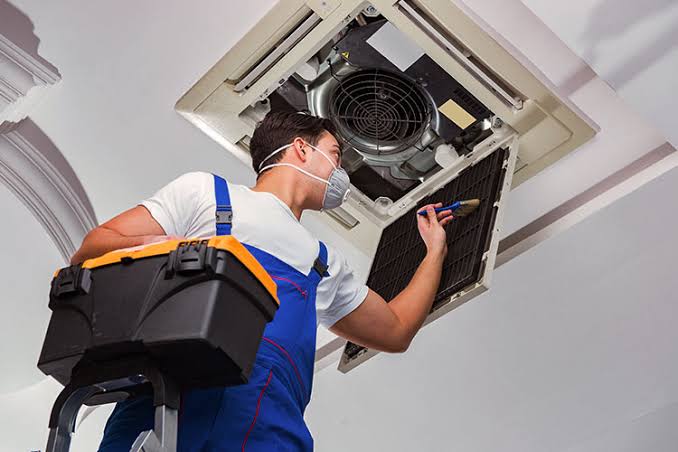
    A professional maintenance visit may include checking filters, coils, electrical connections, airflow, drainage, controls, and other components depending on the equipment.

    Homeowners can also help by replacing filters as recommended and keeping the outdoor unit clear of leaves, grass, and other debris.

    Small tasks like these may seem insignificant, but restricted airflow and dirty components can make the system work harder than necessary.

    Installation Matters Just as Much as the Equipment

    When an air conditioner reaches the end of its useful life, replacement becomes an important decision.

    It’s tempting to focus on equipment price alone. However, correct sizing and professional installation are critical to long-term performance.

    An oversized system may cycle too frequently, while an undersized system can struggle during periods of extreme heat.

    A qualified contractor should consider the building itself before recommending replacement equipment.

    Installation should also include proper attention to electrical connections, refrigerant lines, airflow, drainage, thermostat controls, and system testing.

    A high-quality air conditioner can’t compensate for poor installation.

    Energy Efficiency and Everyday Comfort

    Modern cooling equipment can offer improved efficiency compared with older systems, but efficiency isn’t simply a number on a specification sheet.

    The condition of ductwork, insulation, filters, airflow, thermostat settings, and the building envelope can all influence how much energy a system uses.

    A properly sized and maintained system generally has a better chance of operating efficiently while maintaining consistent temperatures.

    And comfort isn’t only about the thermostat reading. Humidity, airflow, and temperature differences between rooms all affect how a space feels.

    Choosing an HVAC Service Provider

    When comparing HVAC companies, look beyond advertising claims.

    Ask about technician experience, emergency availability, installation procedures, maintenance plans, warranties, and service coverage.

    A reliable contractor should be willing to explain what they recommend and why. You shouldn’t feel pressured into buying equipment or approving a repair you don’t understand.

    It’s also worth considering whether the company can support the system after installation. Having one trusted provider for maintenance and future repairs can make HVAC ownership considerably easier.

    A Reliable System Is About More Than Cooling

    Air conditioning is one of those home and business systems that matters most when it isn’t working.

    The goal isn’t simply to find someone who can fix a broken unit. It’s to build a long-term relationship with a service provider who can help with installation, repairs, maintenance, and unexpected emergencies.

    With the right equipment, skilled service, and dependable support, cooling problems become easier to manage.

    You can’t control the weather. You can, however, prepare your HVAC system for it — and that little bit of preparation can make hot days much more comfortable.

  • What Your Home Water Can Tell You Before You Buy a Treatment System

    What Your Home Water Can Tell You Before You Buy a Treatment System

    Most people don’t think much about their water until it starts acting strangely. A glass looks cloudy. The faucet develops a crusty white ring. The shower smells different. Or maybe you notice that your laundry just doesn’t feel as fresh as it used to.

    These signs don’t always mean something is seriously wrong. Often, they point to minerals, sediment, or other characteristics of the water that can affect everyday life. And when you’re considering a filtration or softening system, guessing isn’t a great strategy.

    The smartest approach is surprisingly simple: understand your water first, then decide what — if anything — needs to be treated.

    Where Your Water Comes From Matters

    Water quality begins with the source.

    A municipal water supply is treated before reaching your home, while a private well puts much more responsibility on the homeowner. Well water can vary according to local geology, rainfall, surrounding land use, and changes in the well itself.

    Even homes connected to the same public supply can experience different water characteristics once water travels through household plumbing. Older pipes, fixtures, storage tanks, and other components can influence taste and quality.

    That’s why a solution that works perfectly for your neighbor may not be the right choice for you.

    Before shopping for equipment, think about your water source and any changes you’ve noticed recently. A sudden change in taste, smell, color, or pressure deserves attention rather than being brushed aside.

    Clear Water Isn’t Always the Whole Story

    It’s natural to assume that water that looks clean must be clean. Unfortunately, appearance doesn’t tell us everything.

    Some substances are visible. Sediment can create cloudiness, while iron may leave orange or reddish stains. Hard water can produce white deposits around faucets and shower fixtures.

    Other concerns aren’t visible at all.

    That’s where proper water analysis becomes useful. Depending on the situation, testing may examine hardness, pH, chlorine, iron, nitrates, lead, bacteria, or other indicators.

    You don’t necessarily need every possible test. The right testing panel depends on your source and local concerns.

    For well owners, regular testing is especially important because conditions can change over time. Heavy rain, flooding, nearby agricultural activity, or changes to the well environment can affect groundwater quality.

    Why Free Testing Can Be a Useful Starting Point

    Many water treatment companies advertise free testing as part of their consultation process. It can be a convenient way to get an initial idea of what’s happening in your water.

    But there’s an important detail to remember: not all tests are equal.

    Ask what the test measures, how the sample is collected, and whether the results are quantitative. A quick in-home demonstration can be helpful for illustrating hardness or other characteristics, but it shouldn’t automatically be treated as a complete laboratory analysis.

    If you’re concerned about a specific health-related contaminant, consider using an appropriately certified laboratory or following guidance from your local water authority.

    Testing should help you understand your options, not simply become a reason for someone to sell you equipment.

    Hard Water Is Common, but It Can Be Annoying

    Hard water contains elevated levels of calcium and magnesium. It isn’t generally considered dangerous at typical concentrations, but it can create plenty of household headaches.

    Soap may lather poorly. Glassware can develop spots. Shower doors may collect mineral deposits. Water heaters and appliances can accumulate scale.

    Over time, these deposits can affect the performance and maintenance of plumbing equipment.

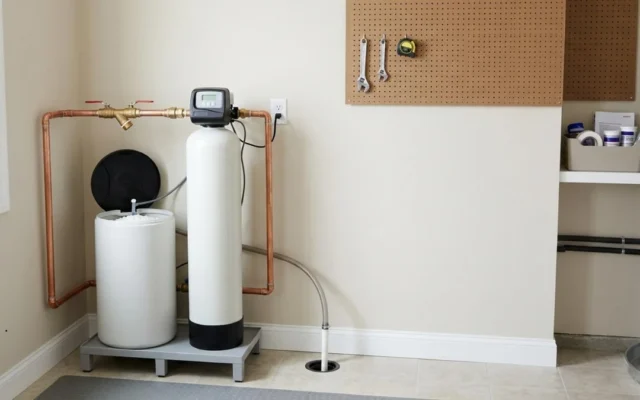
    A traditional water softener can reduce hardness minerals through ion exchange. Whether you actually need one depends on the hardness level and how much the effects bother you.

    If your water is only slightly hard, you may decide that a softener isn’t worth the cost. If your fixtures are constantly covered in scale, the calculation may look very different.

    Filtration and Softening Solve Different Problems

    This is worth emphasizing because water-treatment terminology can get confusing.

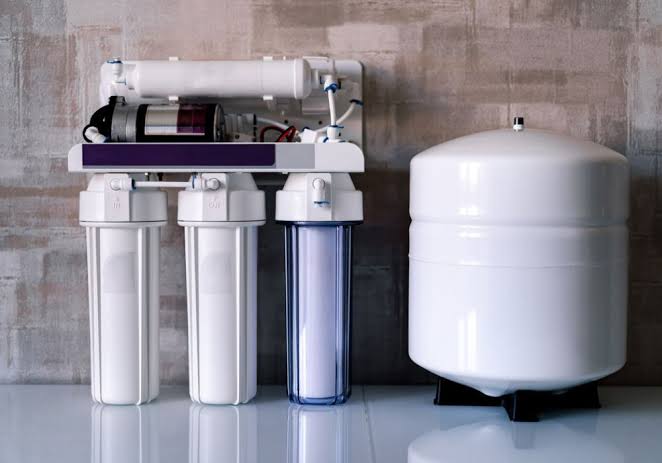
    A water softener is mainly designed to address hardness. A carbon filter may improve taste and reduce chlorine. Sediment filtration can remove particles such as dirt and rust. Reverse osmosis can reduce many dissolved substances at the point of use.

    No single system removes everything.

    That’s why buying a system based on a long list of features isn’t necessarily smart. Start with the problem you’re actually trying to solve.

    If drinking water tastes unpleasant, you may need point-of-use filtration. If scale is your main issue, softening may be more appropriate. If testing identifies a particular contaminant, you’ll want a system certified or specifically designed to reduce it.

    Consider How Your Household Uses Water

    Water treatment isn’t just about chemistry. It’s also about lifestyle.

    A family of five with several bathrooms will have different water demands than a couple living in a smaller home. A household that does frequent laundry and runs a dishwasher every day may notice hard-water effects more strongly.

    Think about your daily routines.

    How much water do you use? Where is treatment most important? Do you need treated water throughout the house, or mainly for drinking and cooking?

    Answering these questions can help prevent you from buying a system that’s either too small or unnecessarily complicated.

    Don’t Let the Price Tag Make the Decision

    When comparing treatment systems, it’s easy to focus on the purchase price.

    But the real cost includes installation, replacement filters, salt, membranes, electricity, maintenance, and service. A system that looks inexpensive at first may cost considerably more over several years.

    At the same time, paying more doesn’t guarantee better performance.

    Look for equipment that fits your budget while still meeting your actual water-treatment needs. Compare warranties, replacement-part availability, maintenance schedules, and operating costs alongside the initial price.

    Think long term. A system that costs a little more upfront but is efficient and easy to maintain may be a better value than a cheaper unit that becomes expensive to operate.

    Maintenance Is Part of the Deal

    Water treatment systems need attention.

    Filters eventually become saturated. Softener systems require salt and periodic checks. Reverse osmosis membranes need replacement. Storage tanks and other components may need cleaning or servicing.

    Ignoring maintenance can reduce performance and shorten equipment life.

    Before buying anything, ask how often routine maintenance is required and whether you can do it yourself. Also find out what replacement parts cost and how easily they can be obtained.

    A system that fits your lifestyle should be manageable, not another household chore you constantly forget.

    Make the Decision With Confidence

    There’s no universal water-treatment system that belongs in every home.

    The best choice depends on your water source, test results, household size, plumbing, priorities, and long-term expectations.

    Start by observing your water. Get it tested when appropriate. Understand what the different technologies actually do. Then compare equipment based on performance, maintenance, and total cost rather than flashy marketing.

    Good water treatment doesn’t have to be complicated. In many cases, the smartest solution is simply the one that addresses the real problem without adding unnecessary equipment.

    Your water has plenty to tell you. Take a little time to listen, and the right decision becomes much easier to make.

  • What I Got Wrong About My Water Softener for Years

    What I Got Wrong About My Water Softener for Years

    I’ll admit something a little embarrassing right off the bat — I owned a water softener for almost four years before I actually understood how it worked. I knew you had to add salt. That was about the extent of my knowledge. Which type, how much, how often — none of that ever crossed my mind. I just tossed in whatever bag was cheapest at the hardware store and figured that was that.

    Turns out that’s a pretty common way to approach it, and also a pretty easy way to end up with a system that’s working way harder than it needs to. I only figured this out after a technician came to service my unit for something unrelated and casually mentioned, “you know this resin’s looking a little worn for its age, right?” I did not know that. And that conversation kind of sent me down a rabbit hole I didn’t expect.

    The Salt Question I Never Actually Asked

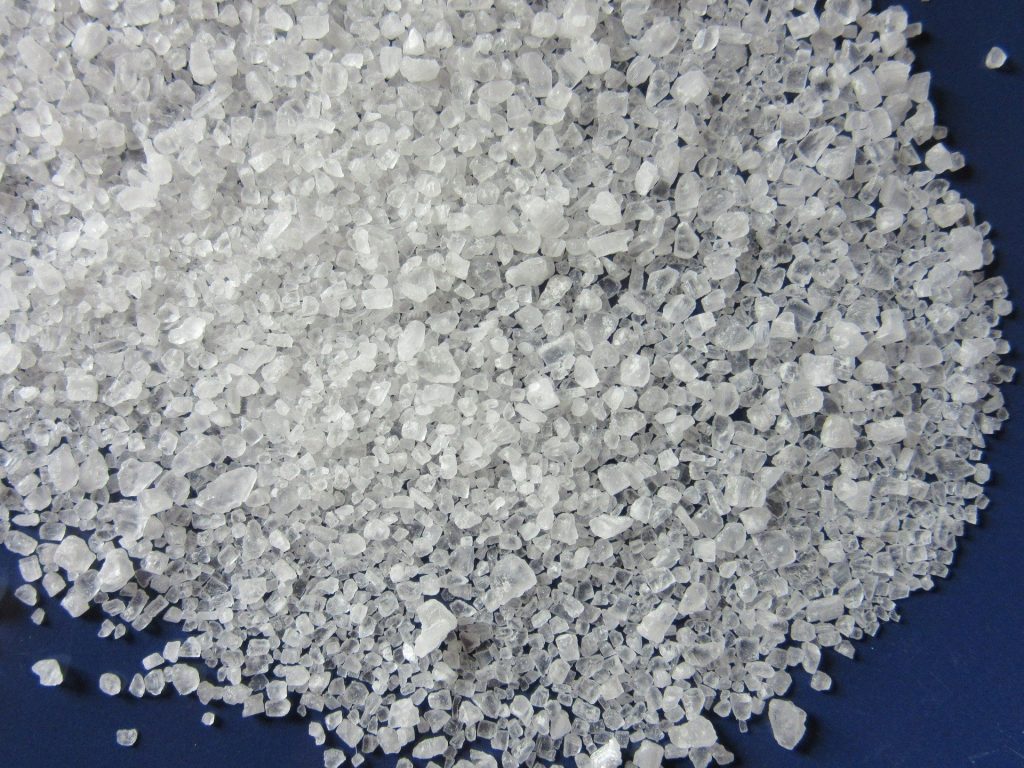
    Here’s the thing about softener salt — not all of it does the same job, even though the bags all sort of look the same on a store shelf. There’s rock salt, solar salt, evaporated salt, pellet form, crystal form… it’s honestly more variety than I expected for something I’d always treated as an afterthought. Cheaper options tend to have more insoluble matter in them, which basically means more residue left sitting in your brine tank over time, gunking things up gradually in ways you don’t notice until, well, someone points it out to you mid-service call.

    I switched to a cleaner, higher-purity option after that conversation, and while I can’t say I noticed some dramatic overnight transformation, my technician mentioned on the next visit that the tank looked noticeably cleaner than it had before. Small thing, but it made me realize how much I’d been leaving to chance just because I never bothered to ask.

    Why Efficiency Isn’t Just a Buzzword Here

    This next part actually surprised me the most. I always assumed a softener either worked or it didn’t — binary, on or off, soft water or hard water. But apparently there’s a whole spectrum of how well it’s working, and a lot of that comes down to things like salt dosage settings, regeneration frequency, and whether the system’s calibrated properly for your household’s actual water usage.

    Get those settings wrong, even slightly, and you’re either wasting salt and water on unnecessary regeneration cycles, or under-treating your water so it’s not as soft as it should be. Getting it dialed in for maximum efficiency means the system regenerates only when it actually needs to, uses just the right amount of salt to do the job, and isn’t quietly wasting resources in the background while you go about your day none the wiser. My technician adjusted mine slightly, and I noticed my salt usage actually dropped a bit, which felt like a small win I hadn’t even known to look for.

    The Long Game Nobody Really Explains

    This is the part that got me thinking longer-term, honestly. A softener isn’t a cheap appliance, and replacing one before its time because of neglect felt like a genuinely avoidable mistake once I understood what was going on. Resin beads wear out. Tanks accumulate sediment. Components age faster when they’re constantly compensating for suboptimal settings or low-grade salt clogging things up.

    Paying attention to the small stuff — right salt, right settings, occasional check-ins instead of total neglect — apparently makes a real difference in system life. My technician mentioned some units last well over a decade with decent care, while neglected ones can start failing in half that time. That gap felt significant enough to actually change how I think about maintaining mine going forward, instead of just tossing salt in whenever I remembered to.

    A Little Attention Goes a Long Way

    Looking back, it’s kind of funny how something running quietly in my basement for years managed to stay almost completely invisible to me, maintenance-wise. I paid for it, installed it, and then more or less forgot it existed beyond the occasional bag of salt. Turns out that’s not really how you’re supposed to treat something doing this much quiet work for your entire house.

    If you’ve got a softener and you’re anything like I was — vaguely aware it exists, not particularly curious about how well it’s actually running — it might be worth a closer look. Doesn’t need to be complicated. Sometimes it’s just a conversation with someone who actually knows the equipment, the kind of five-minute chat that ends up reshaping how you think about a machine you’d basically stopped noticing altogether.