What Makes MiniTec Extruded Aluminum Framing Compatible With Lean Layouts
Efficiency depends on how easily workspaces adapt to new demands, new tools, and new processes. MiniTec Aluminum Framing stands out because it supports change rather than resisting it. Teams working toward lean layouts appreciate how this system reduces build time, cuts waste, and simplifies daily adjustments that keep production flowing smoothly.
Modular Slots That Allow Quick Repositioning of Components
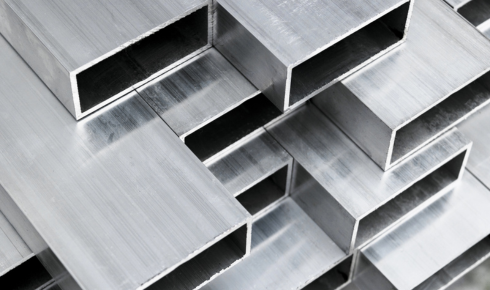
The core advantage of MiniTec extruded aluminum framing lies in its modular T-slot design. Each slot gives teams the freedom to move brackets, panels, shelves, or tooling without drilling new holes or welding. Adjustments happen on the fly, which keeps downtime low and flexibility high—two essentials in lean environments. The extruded aluminum T slot structure makes continuous improvement practical. Instead of tearing down existing fixtures, teams shift components using simple fasteners. This adaptability encourages experimentation, helping operators refine layouts based on real workflow behaviors.
Lightweight Profiles That Simplify Assembly and Changes
MiniTec Aluminum Framing is noticeably lighter than steel systems, which reduces strain during assembly and modification. Workers can reposition structures, machine guards, or workstation frames without heavy lifting equipment. That ease of movement speeds up changes when processes shift or new tasks are introduced.
Lean layouts depend on fast iteration. Lightweight T slot aluminum extrusion profiles support this by making adjustments more approachable for small teams. Instead of scheduling major rebuilds, teams can make improvements throughout the workday, reinforcing lean thinking at every level.
Standardized Connectors for Fast and Repeatable Builds
Standard connectors allow MiniTec extruded aluminum framing to assemble like a kit. Each connection delivers predictable alignment and strength, eliminating guesswork and reducing training time. For lean operations, this standardization supports repeatability across multiple lines or facilities.
Using identical connectors also reduces the number of unique parts needed on hand. Teams can stock fewer components while still supporting a wide variety of assemblies. This simplicity lowers inventory costs and supports clean, organized work areas.
Open Framing That Supports Clear Sightlines in Work Cells
Lean layouts perform best when operators can see materials, tools, and process steps clearly. The open structure of extruded aluminum T slot framing keeps sightlines unobstructed. Machine guards, flow racks, and workstations feel less confined and more intuitive to navigate.
Visibility also makes troubleshooting easier. Teams immediately notice jams, misalignments, or inefficiencies. MiniTec Aluminum Framing supports this transparency, which is essential for lean systems designed around continuous improvement.
Compatible Accessories That Adapt to Evolving Workflows
MiniTec extruded aluminum framing integrates with a wide range of accessories—rollers, hinges, mounts, panels, conveyors, and more. These add-ons give teams the freedom to tailor work areas for specific assembly tasks or production demands. As workflows evolve, accessories can be repositioned or swapped without replacing the entire frame.
This compatibility ensures long-term usability. Lean layouts evolve frequently, and accessories that adapt with minimal waste keep operations efficient. With T slot extrusion, adjustments remain simple no matter how complex the workflow becomes.
Adjustable Mounting Points That Support Lean Tool Layouts
Lean methodology relies heavily on ergonomic tool placement. MiniTec Aluminum Framing offers adjustable mounting points throughout the structure, allowing tools, fixtures, and visual aids to remain within easy reach. Operators can fine-tune their stations based on reach zones and motion studies. These adjustments save time across every shift. Even small improvements reduce unnecessary movement, increasing throughput and reducing fatigue. The flexibility of T slot aluminum extrusion supports tool layouts that evolve along with operator needs.
Reusable Parts That Cut Waste in Process Design Updates
One of the strongest lean advantages of MiniTec extruded aluminum framing is its reusability. Components can be disassembled and repurposed without losing integrity. Frames from old projects can be converted into new fixtures or supports, drastically reducing material waste.
This reusability supports cost savings and sustainability. Instead of scrapping outdated structures, teams can recycle pieces into future builds. It aligns perfectly with lean values, where waste reduction extends to materials, time, and effort.
Easy Scaling from Small Fixtures to Full Workstation Setups
T slot extrusion systems scale naturally. A design that begins as a small fixture can expand into a full workstation or machine enclosure using the same profiles and connectors. This scalability gives manufacturers the freedom to start small and build out as needs grow. Lean layouts benefit from this modular growth pattern. Operations can adjust scope without redesigning from scratch, preserving continuity while still offering room for innovation. MiniTec Aluminum Framing handles both simple and complex assemblies with equal ease.
Precise Machining That Ensures Consistent Alignment Each Time
Accuracy matters in lean manufacturing, where equipment alignment affects workflow, safety, and product quality. MiniTec extruded aluminum framing is machined to exact specifications, ensuring straight cuts, precise angles, and uniform slot placement. These details matter when assemblies must repeat across multiple stations.
Reliable machining also simplifies future modifications. When each T slot matches the next, expansions and reconfigurations fit seamlessly. This consistency reduces errors and reinforces long-term reliability across the entire system.
Lean operations thrive on flexibility, structure, and continuous improvement. MiniTec Solutions provides extruded aluminum T slot framing, accessories, and engineered design support that help facilities build adaptable, scalable, and efficient layouts tailored to evolving production demands.