
What Type of Rock Is Best for Base Material in Driveway Construction?
Building a driveway that stays firm year after year starts with choosing the right base material, not just the surface layer everyone sees. The rock underneath determines how well the driveway handles weight, drains water, and resists shifting. Homeowners searching for rock and dirt delivery near me often discover that the strength of a driveway begins long before the first layer of gravel is poured.
Why Crushed Stone Makes a Strong Base Layer for Driveways
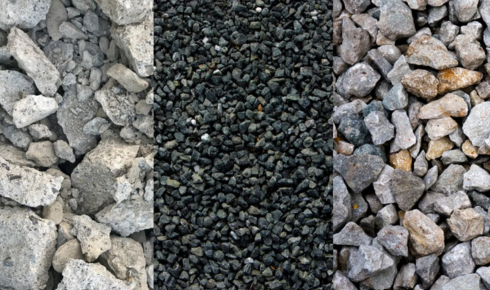
Crushed stone is one of the most reliable base materials because of its angular shape. Instead of rolling or sliding, the edges lock together, forming a supportive structure that handles pressure from vehicles without sinking. Contractors appreciate how consistently crushed stone compacts, which creates a predictable foundation for later layers. Another advantage is its load-bearing capacity. Crushed stone resists deformation even under heavy equipment, making it a common choice for both residential and commercial driveways. With rock delivery near me options widely available, sourcing high-quality crushed stone is straightforward for most builds.
How Limestone Rock Supports Firm Compaction Under Traffic
Limestone is favored for driveways because it compacts into a dense, stable layer. The fine dust mixed within the rock fills gaps between pieces, creating a solid base that reduces shifting. For projects needing long-term reliability, limestone offers a balance between affordability and performance.
Its durability also stands out. Limestone handles repeated tire pressure without breaking apart easily. homeowners searching for rocks for sale often select limestone because it maintains stability even as moisture levels change throughout the seasons.
The Benefits of Gravel Blends for Flexible Driveway Support
Gravel blends combine rocks of different sizes to achieve balance and flexibility. Larger pieces create strength while smaller particles fill the gaps, forming a more adaptable base. This layered structure handles soil movement well, especially in areas with clay-heavy ground.
Balanced blends also help with water movement. Instead of trapping moisture, the materials allow water to flow through the driveway base, reducing pooling and extending lifespan. Many people purchasing gravel for sale prefer blends because they perform well on driveways that experience varying cargo loads.
Understanding Crushed Concrete As a Recycled Base Option
Crushed concrete offers an environmentally conscious alternative for driveway foundations. Recycled from old construction materials, it includes both small and large particles capable of forming a strong base. Its affordability makes it especially appealing for long driveways or large parking areas.
Performance-wise, crushed concrete holds up surprisingly well. It locks into place similarly to crushed stone and withstands weather cycles without severe breakdown. As long as the material is sourced from a reliable rock and dirt delivery provider, it can be an excellent option for budget-friendly projects.
Why Angular Rock Particles Improve Interlock Strength
Angular rock particles create stronger interlocking bonds than rounded stones. The jagged edges grip one another, helping the entire driveway base stay in place under constant pressure. This interlock reduces settlement, rutting, and shifting commonly seen in driveways built with smoother aggregates.
The enhanced stability also improves load distribution. Instead of pressure concentrating in one area, angular rock spreads force more evenly, reducing weak spots over time. Homeowners seeking rock and dirt delivery near me often request angular materials specifically for this benefit.
How Screenings Fill Gaps Between Larger Base Stones
Screenings are fine particles left over from crushing larger stones. They play an important role by filling the empty spaces between driveway base rock. Once compacted, screenings bind the larger stones together and create a more unified foundation. This binding action provides additional strength and reduces unwanted movement. Screenings also help level uneven areas, making them a helpful supplement when forming a smooth, compact layer. Many driveway builds rely on screenings sourced through rock delivery near me providers to achieve a professional-grade base.
The Role of Rock Size Gradation in Stable Driveway Foundations
Size gradation refers to the mix of small, medium, and large stones used in the driveway base. A properly graded mix allows stones to settle tightly while leaving just enough space for water drainage. This combination ensures the driveway remains stable and resistant to pressure shifts. Gradation also helps the base adjust to temperature and moisture changes. With a well-designed mix, the driveway can withstand seasonal expansion and contraction without cracking or sinking. Contractors frequently order graded aggregates through rock and dirt delivery services because they streamline installation and improve longevity.
Why Durable Materials Resist Washout During Heavy Rain
Driveways face significant stress during storms, especially on sloped or clay-based properties. Durable base materials resist erosion by maintaining their structure as water flows over and through them. Limestone, crushed stone, and gravel blends all perform well because they stay locked together under pressure. The right rock also limits undercutting. Washout occurs when water carries fine particles away, weakening the driveway base. Stronger materials reduce that risk, particularly when paired with proper grading and drainage planning. Reliable gravel for sale suppliers can recommend the best rock for areas prone to heavy rainfall.
Driveways built on strong foundations last longer, handle weight better, and require fewer repairs over time. Material suppliers such as North Alabama Rock & Dirt offer rock and dirt delivery, gravel options, and aggregate blends that support durable, dependable driveway construction for both homeowners and contractors.