
Tired of Rusty Stains and Metallic-Tasting Water? A Guide to Better Well Water in Minnesota and North Dakota
Key Points
Few things are more frustrating than cleaning a bathroom sink only to find orange stains returning within days. Perhaps you've noticed reddish marks on freshly washed clothes, too, or your drinking water has developed a metallic aftertaste. For households r…
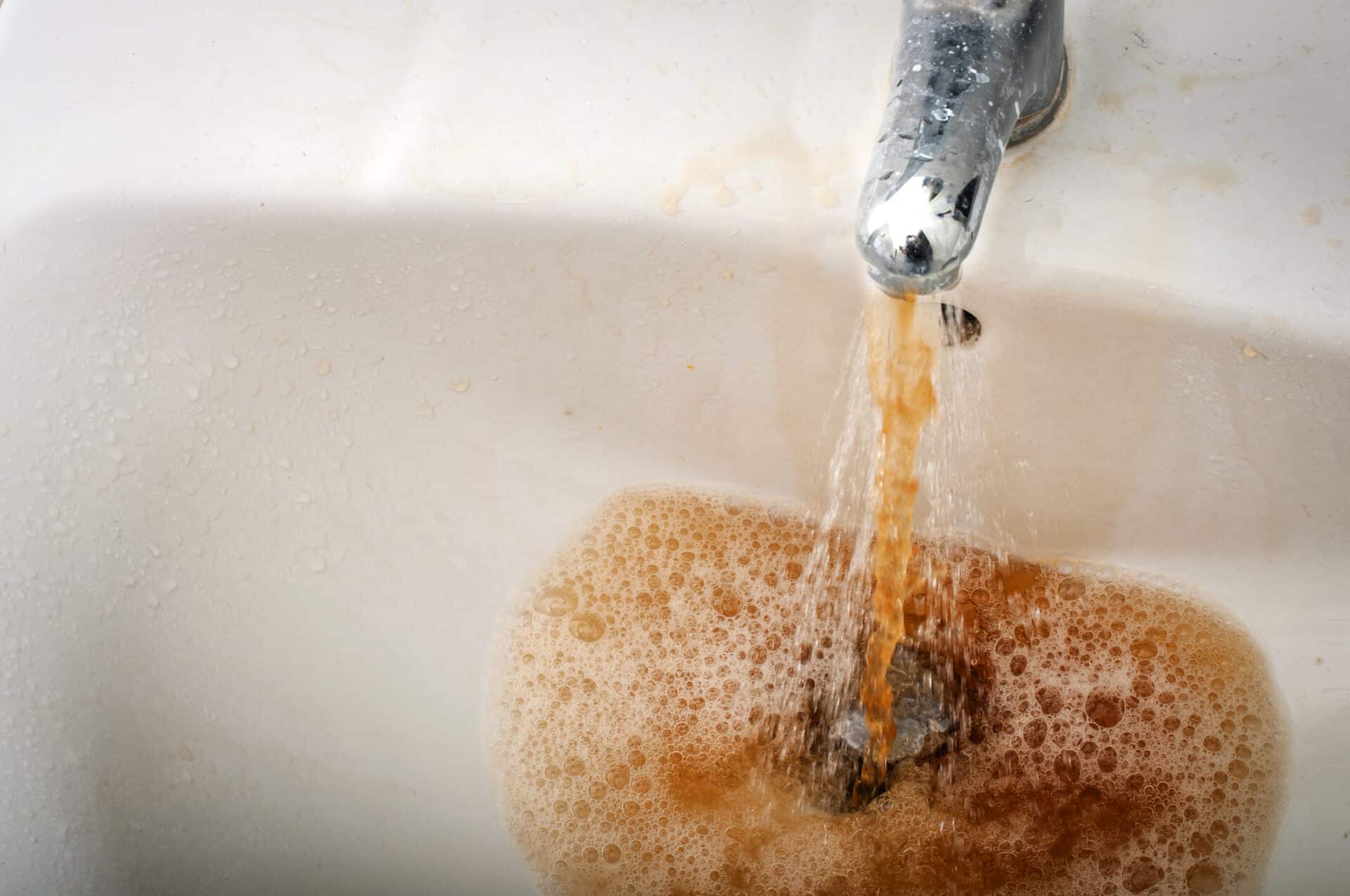
Few things are more frustrating than cleaning a bathroom sink only to find orange stains returning within days. Perhaps you’ve noticed reddish marks on freshly washed clothes, too, or your drinking water has developed a metallic aftertaste. For households relying on a private well, these problems can become an unwelcome part of everyday life.
Recurring iron & rust stains are often associated with naturally occurring iron in groundwater, although aging plumbing may also contribute to the problem.
Also read: Cooling Your Home the Right Way: Why Professional AC Installation and Proper System Sizing Matter
For homeowners across Moorhead, Fargo, and surrounding rural communities, understanding the source of these issues is the first step toward lasting improvement. Instead of spending more money on cleaning products, it may be time to take a closer look at the water itself.
Why Iron Finds Its Way Into Your Well Water
As groundwater moves through underground rock and soil formations, it can absorb naturally occurring minerals, including iron. The amount present varies depending on geological conditions and the characteristics of the individual well.
Interestingly, iron isn’t always immediately visible.
Also read: What Every Homeowner Should Know About Water Quality, Softening, and Filtration
Sometimes, water comes out of the faucet looking perfectly clear but gradually develops a reddish-brown color after exposure to oxygen. This can happen when dissolved iron oxidizes and forms visible particles.
In other cases, iron particles are already present when water reaches the tap.
Understanding which form of iron you’re dealing with is important because different forms may require different treatment methods. Simply installing an ordinary filter might not provide the results you’re hoping for.
Also read: Better Water Starts With Understanding What Your Home Really Needs
Finding Filtration That Addresses the Underlying Problem
Homeowners often try several temporary fixes before investing in a dedicated treatment system. Unfortunately, removing visible stains doesn’t stop new ones from forming.
Appropriately selected filtration solutions for private wells can help address iron, suspended sediment, and other identified groundwater quality concerns before water reaches household fixtures.
Specialized oxidation and filtration systems may convert dissolved iron into particles that can subsequently be captured. Conventional sediment filters can help remove iron that’s already present in particulate form.
Also read: When Your Water Tastes or Smells Different, Here’s Where to Begin
Equipment selection depends on iron concentration, water chemistry, household consumption, and other factors.
For example, water pH and the presence of manganese or sulfur-related compounds can influence treatment performance.
Getting these details right from the beginning can save considerable frustration later.
Also read: Keeping Your Water Treatment System Working Well: Installation, Care, and Long-Term Reliability
Looking Beyond the Visible Stains
Iron might be the most noticeable problem in your water, but it isn’t necessarily the only one.
A comprehensive approach to well water quality treatment considers both visible water problems and substances that may be present without obvious warning signs.
Hardness minerals can contribute to scale formation, while hydrogen sulfide may create an unpleasant rotten-egg smell. Bacteria, nitrate, and certain chemical contaminants can remain undetected without appropriate laboratory testing.
That’s why treating water based exclusively on appearance can be misleading.
Arrange reliable testing before purchasing equipment. Understanding the complete picture helps determine whether your household needs iron filtration alone or a combination of treatment technologies.
How Excessive Iron Can Affect Everyday Household Life
Anyone who has pulled a favorite white shirt from the washing machine and discovered orange marks understands how frustrating iron-rich water can be.
Unfortunately, laundry isn’t the only concern.
Iron deposits may collect inside faucet aerators, toilet tanks, appliance screens, and plumbing components. Metallic flavors can also influence the taste of drinking water and beverages.
Over time, these problems can increase household cleaning and maintenance requirements.
Suitable iron treatment helps reduce the amount of iron reaching these areas, potentially making everyday tasks more manageable.
You may still need to remove existing stains after installing treatment equipment, but addressing the cause can help reduce their recurrence.
Does a Water Softener Remove Iron?
This is a question many well owners ask, particularly when they’re experiencing both hardness and iron-related staining.
Certain ion-exchange water softeners can reduce limited amounts of dissolved iron under appropriate conditions. However, excessive iron or oxidized iron particles can interfere with softener performance.
A dedicated iron filtration system may be more suitable when iron concentrations are significant.
If your water also contains substantial hardness, combining iron treatment with softening may provide a more effective arrangement.
The order of installation matters, too. Appropriate pretreatment can help protect sensitive components and reduce avoidable maintenance problems.
A professional assessment can help determine which equipment combination makes sense for your property.
Keeping Your Well Water Treatment System Reliable
Water treatment equipment doesn’t operate indefinitely without maintenance.
Depending on the system, you may need to replace cartridges, replenish treatment supplies, or ensure periodic backwashing occurs correctly.
Before installation, ask about ongoing maintenance expenses, replacement component availability, and the water flow required for proper operation.
For Minnesota and North Dakota homeowners, protecting treatment equipment from freezing temperatures is another important consideration.
Arrange routine well water testing and appropriate follow-up assessments to verify treatment performance. If harmful contamination is suspected, use a verified safe alternative for drinking and cooking until the problem has been properly addressed.
Keeping maintenance records and laboratory results together can make these responsibilities easier to manage.
Enjoying Better Water Without the Constant Cleanup
Owning a private well shouldn’t mean accepting rusty fixtures, stained laundry, and metallic-tasting beverages as unavoidable inconveniences.
For homeowners throughout Moorhead, Fargo, and nearby communities, reliable testing and thoughtfully selected treatment equipment can help address many recurring groundwater concerns.
The real satisfaction often comes from ordinary experiences. Washing white towels without worrying about iron stains. Filling a glass without noticing a metallic flavor. Cleaning the bathroom without feeling that all your effort will be undone within days.
Better well water begins with understanding its unique characteristics and choosing treatment that genuinely addresses them.
Sometimes, the most rewarding household improvements are simply the ones that give you a little more time to enjoy your home instead of constantly maintaining it.

Related Posts
 Home Services
Cooling Your Home the Right Way: Why Professional AC Installation and Proper System Sizing Matter
Buying a new air conditioner should be an exciting step toward a more comfortable home. However,…
 Home Services
What Every Homeowner Should Know About Water Quality, Softening, and Filtration
Water is such an ordinary part of life that most of us barely think about it.…
 Home Services
Better Water Starts With Understanding What Your Home Really Needs
Water problems have a way of sneaking into everyday life. One week, your shower looks perfectly…