
What Every Homeowner Should Know About Water Quality, Softening, and Filtration
Key Points
Water is such an ordinary part of life that most of us barely think about it. We turn on the tap, fill a glass, wash the dishes, and move on. But when the water starts tasting strange or white deposits appear around bathroom fixtures, curiosity quickly turn…
Water is such an ordinary part of life that most of us barely think about it. We turn on the tap, fill a glass, wash the dishes, and move on. But when the water starts tasting strange or white deposits appear around bathroom fixtures, curiosity quickly turns into concern.
Is hard water harmful? Does every home need a filtration system? And why does freshly washed glassware sometimes look cloudy?
These are among the common questions homeowners ask when they begin noticing changes in their water supply. Fortunately, understanding the basics of water treatment isn’t nearly as complicated as it might initially seem.
Why Does Water Quality Differ From One Home to Another?
Water travels through different environments before reaching household taps. Along the way, it can collect naturally occurring minerals, sediment, and other substances that influence its taste, appearance, and composition.
Properties connected to municipal water supplies may experience chlorine-related odors, while homes relying on private wells might encounter excessive minerals, iron, or sediment.
Also read: Cooling Your Home the Right Way: Why Professional AC Installation and Proper System Sizing Matter
Even the condition of household plumbing can make a difference. Older pipes may contribute to discoloration or introduce unwanted substances into the water supply.
This explains why a friend living across town might enjoy perfectly satisfactory tap water while you’re constantly dealing with mineral stains.
Understanding your water source is the first step toward identifying what needs attention.
Also read: Better Water Starts With Understanding What Your Home Really Needs
Is Hard Water Actually Bad for You?
Hard water contains relatively high concentrations of calcium and magnesium. These minerals occur naturally and aren’t generally considered harmful at typical drinking water concentrations.
The real frustration often comes from their effects around the home.
Hard water can leave chalky deposits on faucets, reduce soap lather, and contribute to scale accumulation inside water heaters and kitchen appliances.
Also read: When Your Water Tastes or Smells Different, Here’s Where to Begin
Finding reliable answers to common water quality questions can help homeowners distinguish between genuine health concerns and everyday inconveniences. Hardness, for instance, is primarily a maintenance and comfort issue rather than an indication that drinking water is unsafe.
A suitable water softener can reduce hardness minerals and help address many associated household problems.
What’s the Difference Between Water Softening and Filtration?
People frequently assume that water softeners and filters perform essentially the same job. They don’t, although both can contribute to improving household water quality.
Also read: Keeping Your Water Treatment System Working Well: Installation, Care, and Long-Term Reliability
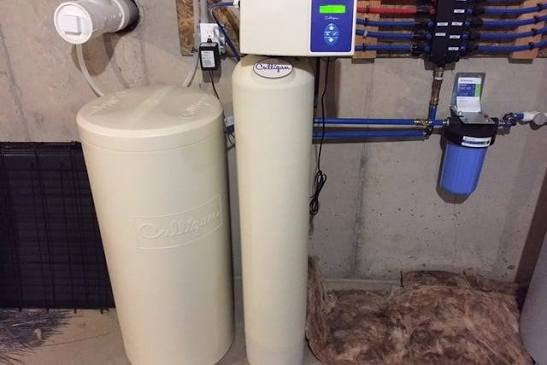
Traditional water softeners reduce calcium and magnesium through an ion exchange process. Water filters, meanwhile, are designed to reduce particular unwanted substances, depending on the filtration technology.
Activated carbon filters can improve certain tastes and odors, while sediment cartridges capture suspended particles. Reverse osmosis systems can reduce various dissolved contaminants.
Reviewing water softener and filtration FAQs is a useful starting point for anyone struggling to understand which equipment suits their property.
Some households benefit from combining softening and filtration. Others might only require one treatment method. It depends on what’s actually present in the water, not simply which equipment happens to be popular.
Can You Tell Whether Drinking Water Is Safe by Looking at It?
Unfortunately, no. Clear water isn’t automatically safe, just as cloudy water isn’t necessarily contaminated.
Certain dissolved substances and microorganisms are impossible to identify through appearance, taste, or smell alone.
Occasionally, cloudy water is simply caused by tiny air bubbles that disappear after the water settles. Persistent discoloration, unusual odors, or sudden changes, however, deserve further investigation.
Professional laboratory testing provides a more dependable way to assess potential contamination.
This is particularly important for private well owners, since groundwater conditions may change due to rainfall, nearby activities, or environmental developments.
When it comes to drinking water safety, guessing isn’t a particularly good strategy.
Does Every Household Need a Whole-House Filtration System?
Not necessarily. A comprehensive treatment system can be beneficial, but it isn’t always the most practical choice.
For someone whose main concern is unpleasant chlorine taste, a suitable kitchen filter might be sufficient. A property experiencing sediment or other water quality issues throughout multiple rooms may benefit from treatment at the main water supply.
Before making a purchase, consider where the problems occur and how frequently they affect your household.
There’s little sense in spending thousands on equipment when a smaller, targeted solution could address the same concern.
Water testing and professional guidance can help narrow down the choices.
How Often Should Water Treatment Equipment Be Serviced?
Maintenance requirements depend on the type of equipment, water consumption, and incoming water conditions.
Filter cartridges eventually reach their treatment capacity, reverse osmosis membranes may require replacement, and conventional water softeners need periodic salt replenishment.
Following the manufacturer’s maintenance recommendations is generally the most sensible approach.
Keep an eye on unexpected changes in water pressure, taste, or appearance. These could indicate that something needs attention, although they aren’t always reliable measures of filtration performance.
A simple calendar reminder for servicing dates can make life easier. Nobody needs another household responsibility that’s constantly slipping their mind.
Is Investing in Better Water Quality Worth the Money?
For many homeowners, appropriate water treatment offers practical benefits that extend beyond drinking water.
Reducing excessive mineral accumulation may help protect appliances. Suitable filtration can improve certain tastes and odors, while softened water can make everyday cleaning less demanding.
The important thing is choosing equipment based on genuine needs and considering long-term maintenance expenses.
Better water doesn’t have to mean complicated technology or an enormous investment. Sometimes, a modest improvement is all that’s necessary.
Start by understanding your water supply, ask informed questions, and explore solutions that fit your home. After all, when something plays such a significant role in everyday life, it’s worth getting it right.

Related Posts
 Home Services
Tired of Rusty Stains and Metallic-Tasting Water? A Guide to Better Well Water in Minnesota and North Dakota
Few things are more frustrating than cleaning a bathroom sink only to find orange stains returning…
 Home Services
Cooling Your Home the Right Way: Why Professional AC Installation and Proper System Sizing Matter
Buying a new air conditioner should be an exciting step toward a more comfortable home. However,…
 Home Services
Better Water Starts With Understanding What Your Home Really Needs
Water problems have a way of sneaking into everyday life. One week, your shower looks perfectly…